Building Communications Systems That Center Student Voice and Community Reach
Embedding with École de Cirque de Bruxelles to establish newsletter-centered communications infrastructure, develop youth influencer partnerships reaching untapped demographics, create student engagement initiatives, and build team autonomy—all within severe resource constraints.
Monthly
Newsletter Focus
All
Sectors Coordinated
Youth
Influencer Partnership
Student
Voice Centered
01 | Client & Context
Brussels Circus School Serving Diverse Community
École de Cirque de Bruxelles serves children, youth, and families through circus arts education, partnering with schools and operating across multiple sectors—all with limited resources, fluctuating capacity, and the need for communications systems that could actually be sustained.
The client:
École de Cirque de Bruxelles, a Brussels-based circus school serving children, youth, families, and partnering with schools to provide circus arts education. The institution works with diverse populations and operates across multiple sectors (different age groups, school partnerships, performance programs, administrative functions).
The context:
The school operated with limited financial resources, small communications team, outdated technical infrastructure, and communications practices that didn't match actual capacity. Previous strategies had overcommitted to social media presence the team couldn't sustain. The school needed practical systems matching reality—not aspirational frameworks requiring resources they didn't have.
The challenge:
Build sustainable monthly newsletter system as primary communication channel, establish transversal information flows between all sectors for content gathering, create student engagement mechanisms centering youth voice, develop strategic partnerships reaching Brussels demographics other cultural organizations couldn't access, produce templates enabling sector autonomy, manage design team and external vendors, coordinate major events like open days—all while addressing compliance issues around image authorization and navigating ethical considerations in wake of policy rollbacks affecting vulnerable students, within severe resource and budget constraints.
Why adriane.studio:
This required someone who could build practical communication infrastructure matching actual organizational capacity, establish cross-sector coordination without creating burdensome processes, develop youth engagement strategies and partnerships, manage creative teams and external partners, create replicable templates and systems, address compliance and ethical concerns as integrated considerations, and embed within the team to implement working solutions rather than provide external recommendations.
02 | The Challenge
Information Flows, Youth Access, Team Capacity, Compliance
Fragmented Information Architecture
The circus school operated across multiple sectors with no systematic process for gathering stories, achievements, events, and updates needed for compelling monthly newsletters. Information existed in silos—different age groups, school partnerships, performance programs each operating independently. Creating engaging content required establishing transversal flows collecting contributions from all sectors consistently without creating burdensome additional work for already-stretched teams.
Youth Demographic Access
Brussels cultural organizations struggled to reach certain youth demographics, particularly teenagers from surrounding neighborhoods. Traditional institutional communications and marketing didn't resonate with these audiences. The school needed strategic partnerships creating authentic touchpoints with young people who typically don't engage with cultural programming—reaching potential students where they actually are.
Unsustainable Channel Commitments
Previous communications strategy had overcommitted to social media presence the small team couldn't maintain consistently. This created quality issues, burnout, and ineffective reach. The school needed honest reassessment of what channels could be sustained with actual capacity, focusing resources strategically rather than spreading impossibly thin.
Team Management and Autonomy
The school had designers, interns, and external vendors (printers, photographers) requiring coordination without formal project management infrastructure. Additionally, sector teams needed ability to produce their own communications without bottlenecking through central team, but lacked templates and brand guidelines enabling autonomous yet consistent creation.
Compliance and Ethical Integration
Image authorization gaps existed around social media sharing of everyday school activities—families understandably concerned about children's images shared publicly. Additionally, following policy rollbacks, DEI and ethical considerations required attention for communications potentially impacting vulnerable students including LGBTQIA+ youth and neurodivergent students. These issues needed resolution integrated within broader infrastructure, not as separate compliance projects.
03 | The Approach
Newsletter Infrastructure, Youth Partnerships, Student Voice, Autonomous Systems
I embedded within the school to build practical monthly newsletter infrastructure as communications center, establish youth influencer partnerships, develop student engagement initiatives, create autonomous production systems, and address compliance considerations as integrated elements—all designed to match actual organizational capacity.
Communications Audit and Strategic Refocus
Conducted comprehensive audit of existing channels assessing what could realistically be sustained with available resources. Made strategic decision to refocus on monthly newsletter as primary channel, significantly reducing unsustainable social media commitments. Aligned communications strategy with actual team capacity rather than aspirational plans.
Transversal Information Flow Systems
Established systematic processes for gathering compelling content from all school sectors for monthly newsletters. Created simple reporting templates, built relationships with sector leads, developed regular touchpoints, and designed editorial processes transforming fragmented information into coherent, engaging narratives celebrating school community without creating burdensome additional work.
Student Voice and Engagement Initiatives
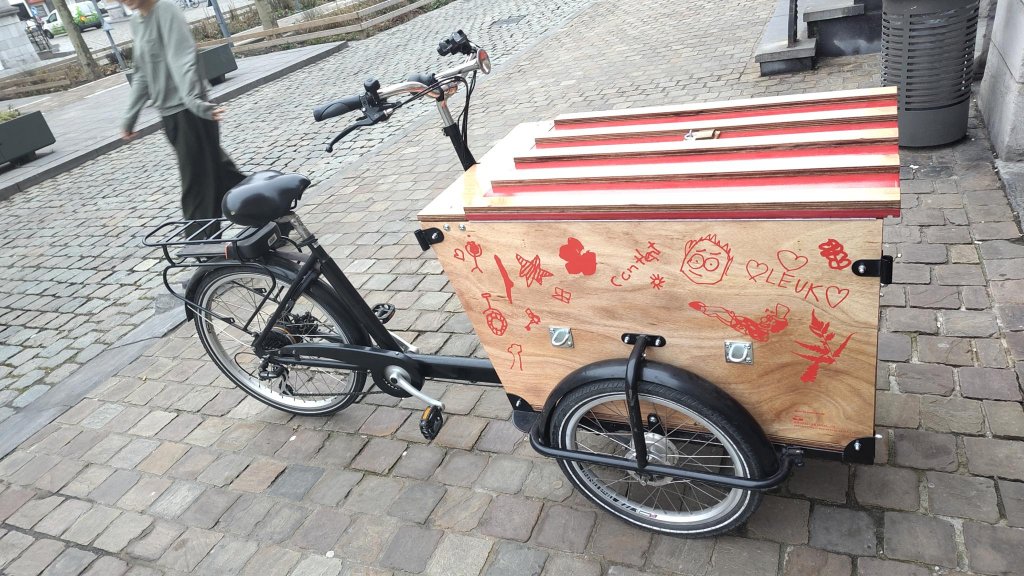
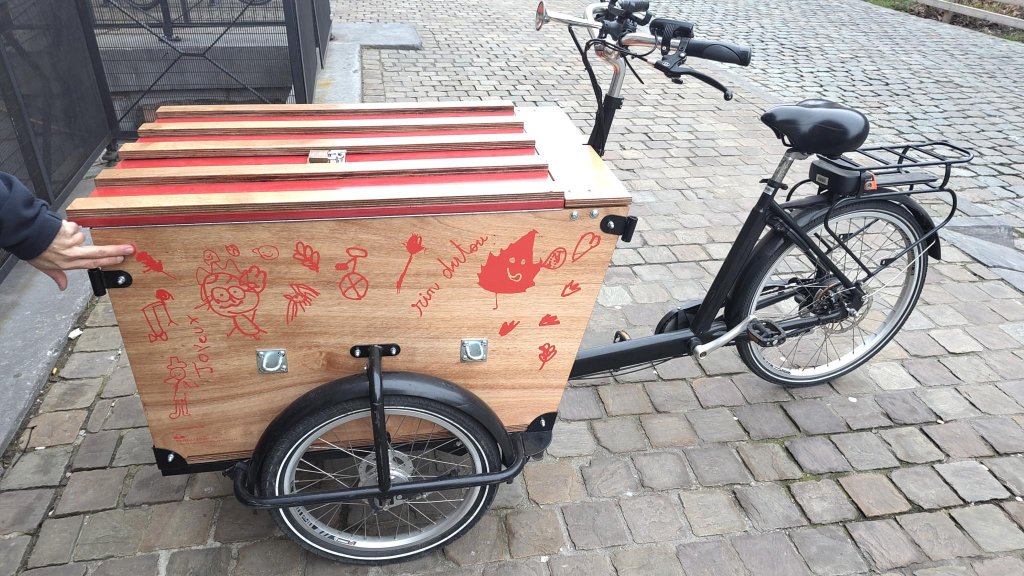
Developed mechanisms centering student creativity and voice in communications. Created projects like circus bike redesign where student workshop drawings were printed and applied to school bike—making student contributions visible, generating compelling visual content, and celebrating youth creativity tangibly throughout school environment.
Youth Influencer Partnership Development
Identified and established strategic partnership with YumeHouse (https://www.yumehouse.be/), local youth influencers with authentic connections to Brussels teenagers. This relationship enabled school to reach neighborhood youth demographics that traditional cultural organization communications never touched—creating genuine touchpoints through trusted voices.
Canva Template System for Autonomy
Produced comprehensive Canva template libraries enabling each sector to create their own communications without bottlenecking through central team. Managed annual artistic direction (DA) updates, ensuring templates stayed fresh while maintaining brand consistency. Provided training ensuring teams could use templates effectively, building sustainable autonomy.
Team and Vendor Coordination
Managed designers, interns, and external vendors including printers and photographers. Implemented project management infrastructure (Monday.com), established clear workflows, defined responsibilities, maintained quality standards while enabling efficient production across multiple simultaneous projects including critical open days communications.
04 | Concrete Projects and Initiatives
From Circus Bikes to Open Days
Circus Bike Redesign with Student Drawings
Students participated in workshop creating drawings reimagining the school's circus bike decoration (workshop led by others). I took their original drawings, prepared them for printing, and applied them directly to the bike—transforming student creativity into visible school identity element. This exemplified the approach: centering student voice, creating tangible outcomes from their contributions, generating compelling visual content for communications, and celebrating student creativity publicly throughout school environment.
Monthly Newsletter System
Established sustainable rhythm for engaging monthly newsletters gathering stories from all sectors. Created editorial calendars, developed content gathering templates, built relationships enabling smooth information flow, designed newsletter formats showcasing student achievements and school vitality. Made newsletter the communications cornerstone the team could actually maintain consistently.
Annual Artistic Direction Management
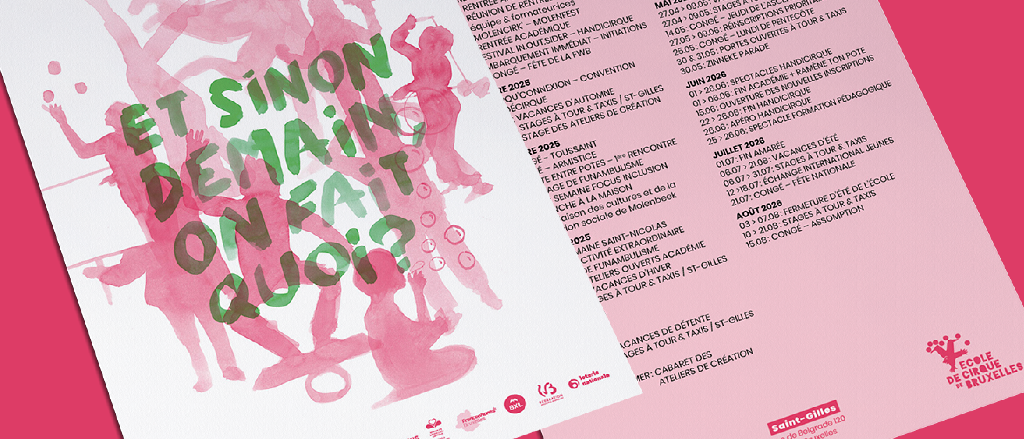
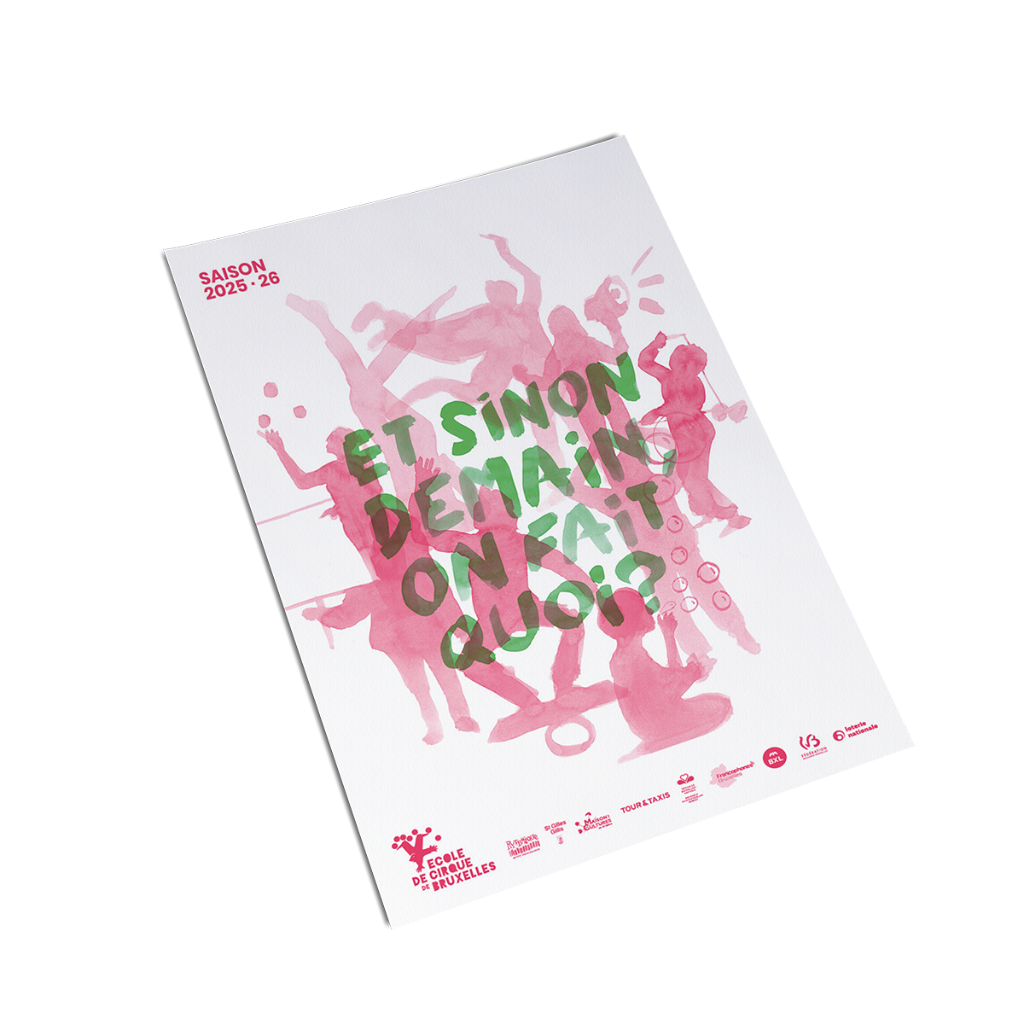
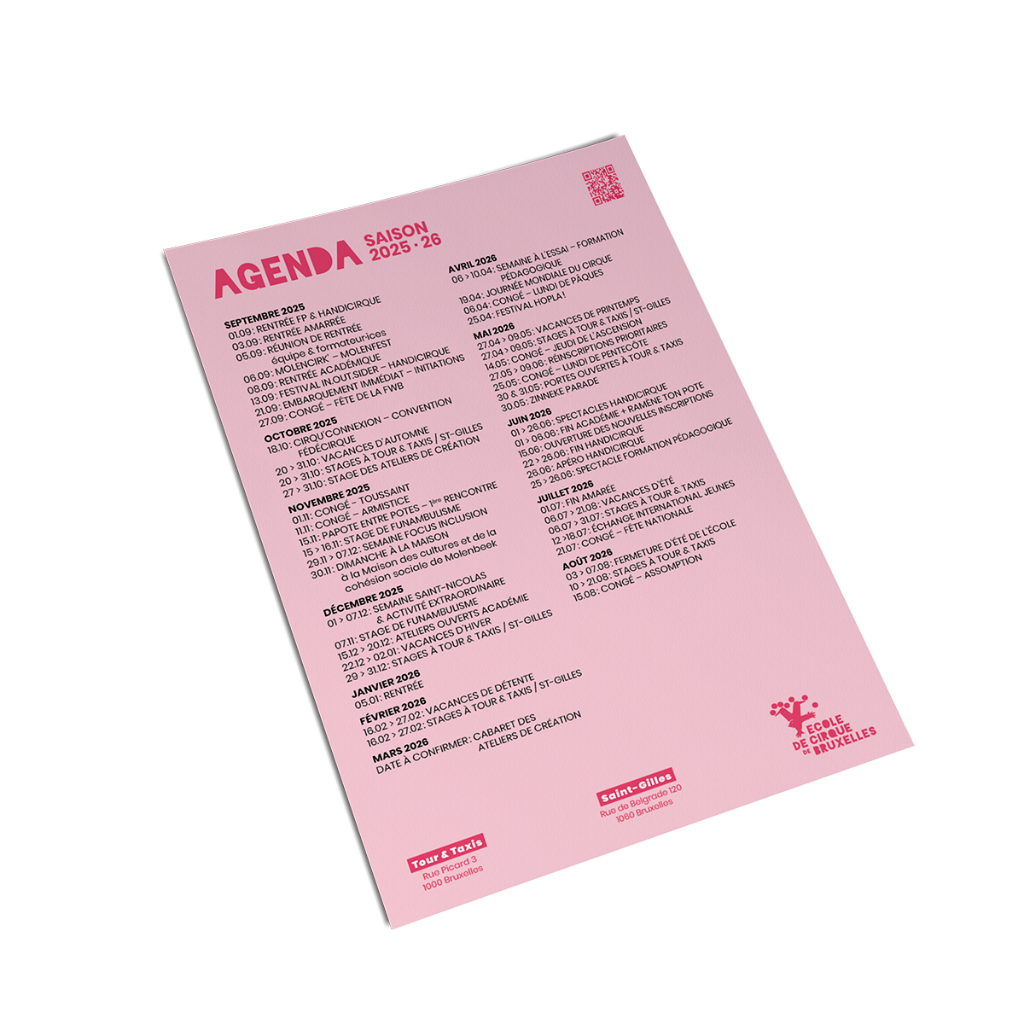
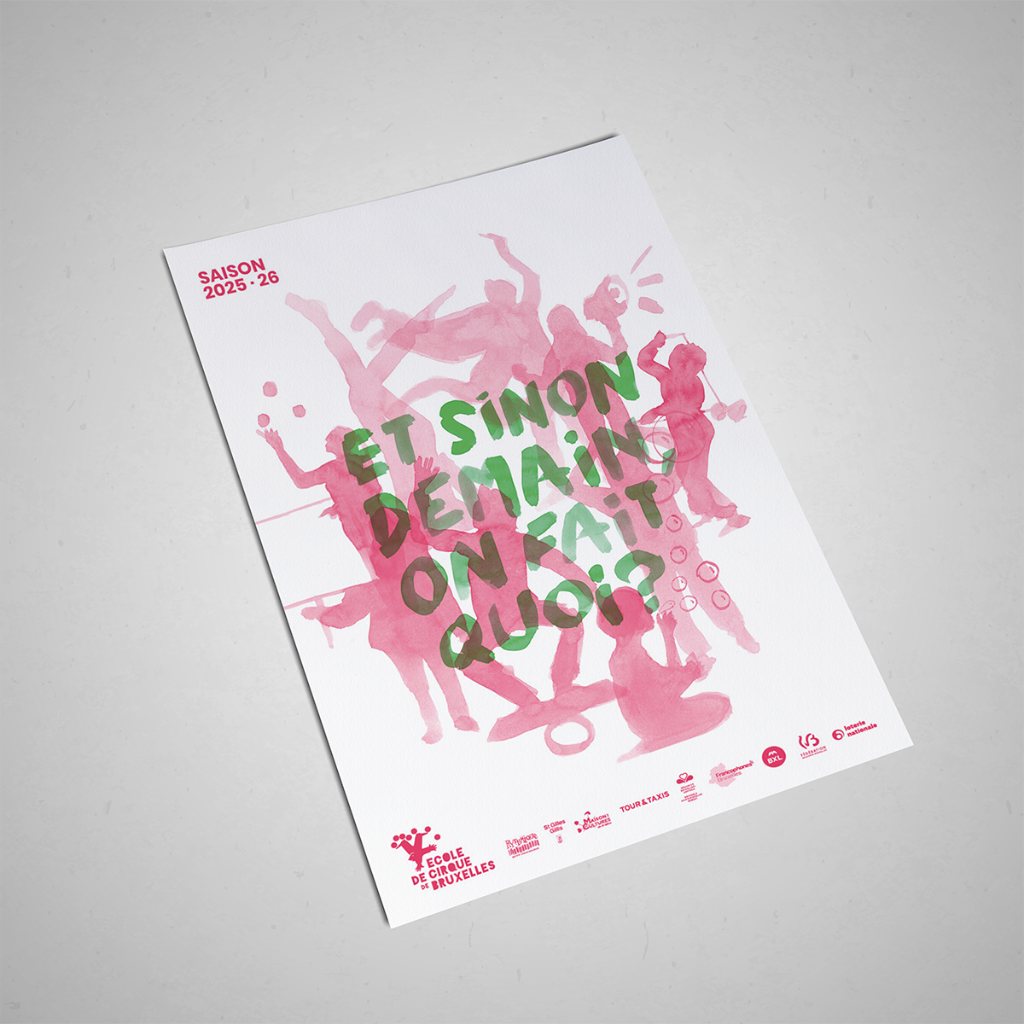
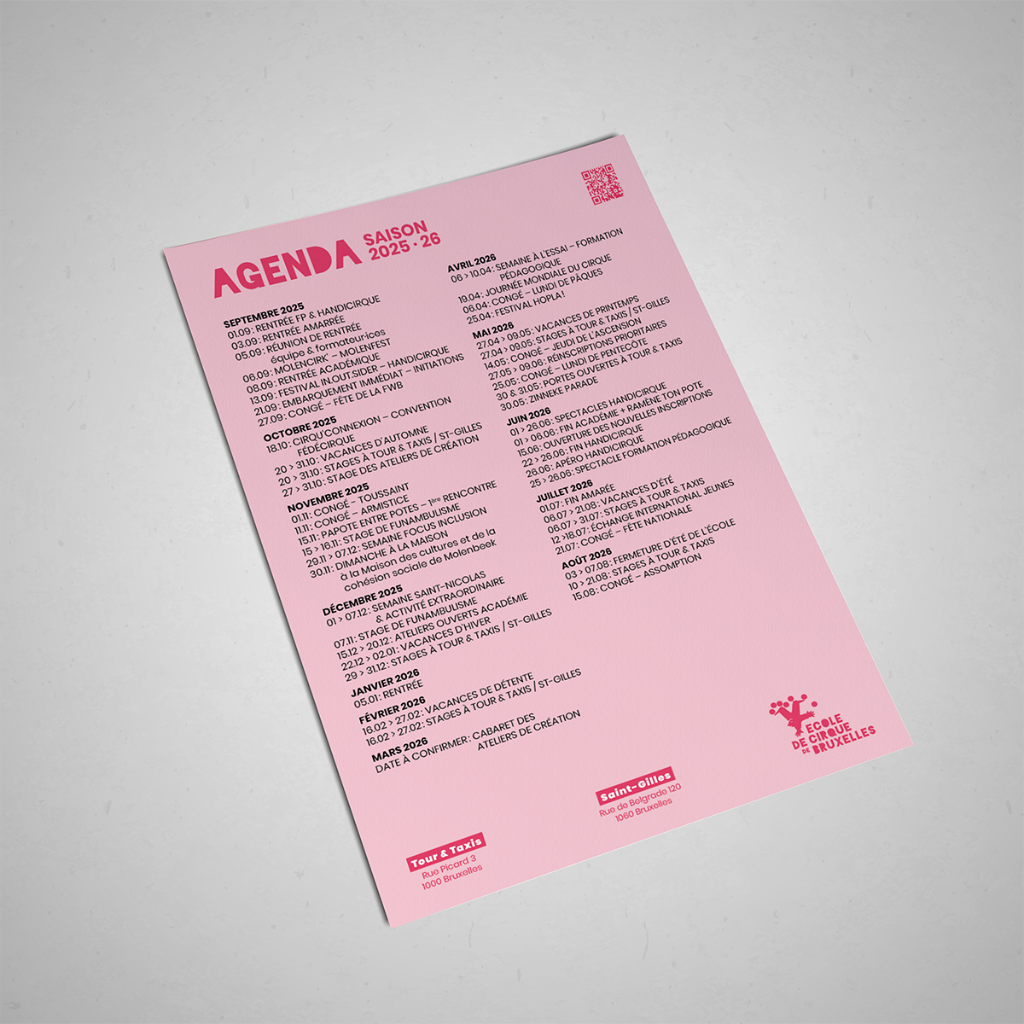
Each year, the school updates its visual direction (DA - Direction Artistique). Managed this annual refresh process ensuring consistency with school identity while keeping communications feeling fresh and contemporary. Coordinated with designers, established new visual directions, and immediately updated all Canva templates so sector teams could implement new aesthetic autonomously across their communications.
YumeHouse Partnership for Youth Reach
YumeHouse (https://www.yumehouse.be/) are local youth influencers with authentic credibility among Brussels teenagers. Established this strategic partnership creating touchpoints with neighborhood youth that other Brussels cultural organizations couldn't reach. This partnership extended school visibility to demographics typically unreachable through institutional communications—potential students influenced by trusted local voices rather than formal marketing.
Open Days Communications Coordination
Managed all communications for school open days—critical recruitment and community engagement events. Coordinated pre-event promotion across channels, day-of materials and signage, photographer management, post-event content creation, and follow-up communications with prospective students and families. Orchestrated timeline, vendors, and cross-team coordination ensuring seamless execution for high-stakes events.
Canva Template Production
Created extensive Canva template libraries covering social media posts, event announcements, newsletter sections, print materials—all maintaining brand consistency while allowing necessary flexibility for sector-specific needs. These templates enabled decentralized content production, reduced bottlenecks, and built sustainable team autonomy for ongoing communications.
05 | Compliance and Ethics as Integrated Elements
Addressing Authorization and DEI Within Broader Infrastructure
While building communication systems, I simultaneously addressed compliance and ethical considerations—not as separate projects but integrated throughout infrastructure development.
Image Authorization Resolution
Addressed authorization gaps around social media sharing of everyday school activities. Like many youth organizations, the school had been sharing joyful moments from classes and performances, but not all proper parental authorizations were in place. Implemented compliant authorization processes enabling continued celebration of student life while respecting family privacy concerns—working within existing technical system constraints rather than requiring expensive rebuilds.
DEI Considerations Following Policy Rollbacks
In wake of policy rollbacks, assessed communication impact on vulnerable student populations including LGBTQIA+ youth, autistic students, and students with disabilities. Integrated inclusive considerations into communication decision-making processes, ensuring practices didn't inadvertently disadvantage or exclude vulnerable community members.
Staff Education on Responsible Practices
Educated staff on responsible communication around children, including appropriate image use, social media practices, and protecting student privacy. Built internal capacity for ongoing ethical decision-making that would persist beyond my involvement.
Compliance as Foundation, Not Focus
These compliance and ethical elements weren't the primary work—they were essential foundations enabling the communication infrastructure to function responsibly and sustainably. By addressing them as integrated considerations rather than separate compliance projects, they became embedded practices rather than burdensome add-ons.
06 | Results & Impact
Sustainable Systems, Expanded Reach, Team Autonomy
Sustainable Newsletter Infrastructure Established: Monthly newsletter became reliable primary communication channel the team could maintain consistently. Transversal information flows from all sectors ensured rich, diverse content celebrating school community. Newsletter engagement provided measurable touchpoint with families and stakeholders.
Youth Demographic Reach Expanded: YumeHouse partnership enabled access to Brussels teenage demographics other cultural organizations couldn't reach. Authentic influencer voices created touchpoints where institutional communications failed, extending school visibility to potential students previously unreachable through traditional marketing.
Student Voice Centered Throughout: Projects like circus bike redesign made student creativity visible throughout school environment. Communications consistently celebrated student achievements, contributions, and voice—creating sense of ownership and community while generating compelling authentic content.
Team Autonomy Through Templates: Comprehensive Canva template libraries enabled sector teams to produce their own communications without bottlenecking through central team. Reduced coordination overhead, improved responsiveness to sector needs, and built sustainable decentralized capacity for ongoing content creation.
Strategic Channel Focus: Honest reassessment and strategic refocus on newsletter over unsustainable social media commitments improved communication quality, reduced team burnout, and increased actual impact. Matching strategy to capacity created sustainable practice rather than aspirational failure.
Open Days Execution Success: Coordinated communications for high-stakes recruitment events ensured seamless pre-event promotion, day-of materials, and post-event follow-up. Demonstrated ability to mobilize communications infrastructure for critical organizational moments requiring cross-team coordination.
Designer/Intern/Vendor Coordination: Project management infrastructure and clear workflows enabled efficient creative production despite small team. Designers and interns received proper direction and support, external vendors delivered quality work on time, and multiple simultaneous projects completed successfully.
Compliance Foundations Integrated: Image authorization systems and ethical frameworks became embedded practices rather than burdensome separate compliance projects. Staff education built internal capacity for ongoing responsible decision-making around communications involving children.
Annual DA Management: Smooth annual artistic direction updates kept communications feeling fresh while maintaining brand consistency. Immediate template updates enabled sector teams to implement new aesthetic autonomously without coordination delays.
07 | Core Capabilities Demonstrated
Newsletter Systems, Youth Partnerships, Practical Infrastructure
Newsletter Infrastructure Development
Building sustainable monthly newsletter systems for organizations with limited resources. Establishing transversal information flows, creating content gathering processes that don't burden stretched teams, developing engaging formats celebrating community, and making newsletters reliable primary communication channels teams can actually maintain.
Youth Partnership Strategy
Identifying and establishing strategic partnerships with youth influencers and trusted community voices. Understanding how to reach demographics that don't respond to institutional communications, creating authentic touchpoints through partnerships, and extending organizational visibility beyond traditional marketing limitations.
Student Voice Centering
Developing initiatives and projects that center student creativity and contributions. Creating mechanisms making youth voice visible throughout organizational communications and environments, generating authentic compelling content from student work, and building sense of ownership and community.
Team Autonomy Building
Creating template libraries and systems enabling decentralized content production without bottlenecking through central communications. Providing training and guidelines allowing consistency within flexibility, reducing coordination overhead, and building sustainable capacity distributed across teams.
Strategic Channel Focus
Having courage to reduce unsustainable commitments and refocus resources on channels matching actual capacity. Conducting honest audits distinguishing aspirational strategies from realistic practice, aligning communications infrastructure with organizational reality rather than ideal conditions.
Creative Team Management
Coordinating designers, interns, and external vendors including printers and photographers. Implementing project management infrastructure, establishing workflows, defining responsibilities, maintaining quality standards, and enabling efficient production across multiple simultaneous projects.
Transversal Coordination
Establishing cross-sector information flows and coordination without creating burdensome processes. Building relationships enabling smooth content gathering, developing simple reporting mechanisms, and creating editorial processes transforming fragmented information into coherent narratives.
Compliance Integration
Addressing authorization, ethical, and DEI considerations as integrated elements within broader infrastructure rather than separate compliance projects. Implementing practical solutions within existing systems, educating staff for ongoing capacity, and embedding responsible practices throughout communications.
Event Communications Coordination
Managing all communications for high-stakes organizational events like open days. Coordinating pre-event promotion, day-of materials, photographer management, post-event content, and follow-up communications—orchestrating timeline, vendors, and cross-team coordination for seamless execution.
08 | Key Learnings
Sustainability Over Aspiration, Students at Center, Honest Capacity Assessment
Sustainable Systems Match Actual Capacity: The gap between aspirational communications strategies and actual organizational capacity creates burnout, inconsistency, and failure. Sustainable systems require honest assessment of available resources and designing commitments teams can actually maintain under real-world conditions including constant last-minute changes and budget constraints.
Youth Partnerships Access Unreachable Demographics: Traditional institutional communications and marketing often fail to reach certain youth demographics. Strategic partnerships with trusted local influencers create authentic touchpoints where formal communications cannot. These partnerships extend reach beyond what organizations could achieve independently.
Student Voice Creates Authentic Content: Centering student creativity and contributions generates the most authentic, compelling communications content. Projects making youth voice visible build community ownership while providing material that resonates more powerfully than polished institutional messaging. Student work tells better stories than professional marketing.
Newsletter Focus Beats Social Media Sprawl: For resource-constrained organizations, focusing on monthly newsletter as primary channel often delivers better results than spreading impossibly thin across multiple social media platforms. Sustainable consistency on one channel outperforms sporadic presence on many.
Templates Enable Autonomy Without Chaos: Comprehensive template libraries empower decentralized content creation while maintaining brand consistency. Teams can produce their own materials responsively without coordination delays, reducing bottlenecks while preserving quality and coherence through structured flexibility.
Compliance Integrated Beats Separate Projects: Addressing authorization, ethical, and DEI considerations as integrated elements within broader infrastructure proves more effective than treating them as separate compliance projects. Embedded practices persist; add-on requirements get dropped under pressure.
Transversal Flows Need Simple Mechanisms: Cross-sector information gathering only works if processes are genuinely simple and don\'t create burdensome additional work for already-stretched teams. Relationship-building matters more than formal reporting structures—people share when they trust and when it\'s easy.
Honest Capacity Assessment Requires Courage: Acknowledging what can\'t be sustained and reducing commitments feels like failure but enables actual success. Organizations serve themselves better by doing fewer things well than attempting comprehensive strategies beyond their capacity.
Need Sustainable Communications Infrastructure for Youth Organizations?
If your organization serves children and families, struggles with unsustainable communications commitments, needs youth partnership strategies, or requires practical systems matching actual team capacity, let's explore embedded implementation.
Start a ConversationService Categories
Primary Service:
Communications Strategy
Secondary Service:
Organizational Alignment