From Functioning Prototype to Coherent Design Strategy in 72 Hours
Developing comprehensive design direction for 3DD's innovative AI-operated IoT security product using visual-first research methodology when traditional market data didn't exist.
0
Hours to Strategy
Zero
Existing Market Research
Visual
Research Methodology
Multiple
Product Segments Analyzed
01 | Client & Context
When Innovation Outpaces Traditional Research: 3DD's Challenge
3DD, an Australian technology company in the AI, IoT, and security space, had developed a functioning prototype for an innovative product—but it had no design, no defined target audience, and no market research data to guide strategic decisions.
The client:
3DD, an Australian technology innovation company developing AI-operated IoT products for the security industry, working at the intersection of artificial intelligence, Internet of Things, and security solutions.
The context:
The company had successfully created a working prototype demonstrating technical functionality, but the product existed purely as an engineering solution without any design identity, visual language, or market positioning. They needed to move quickly to develop a design strategy but lacked fundamental market research: no target audience profiles, no demographic data, no understanding of how similar products were positioned in the market.
The challenge:
Traditional market research would take months and cost significant resources. The company needed design direction immediately to move forward with product development, but without knowing who they were designing for or what visual language would resonate with potential users.
Why adriane.studio:
This required someone who could develop strategic insights without traditional research infrastructure, work at startup velocity with limited resources, think creatively about alternative research methodologies, and deliver actionable design strategy that could guide immediate development decisions.
02 | The Challenge
Designing Without Data: The Research Gap
Zero Design Foundation
The prototype was purely functional with no existing design elements, visual identity, or aesthetic direction. Every design decision needed to be made from scratch, but without clear criteria for what would resonate with users or position the product effectively in the market.
Missing Market Intelligence
The company had no market research data on target audiences, demographics, user preferences, or competitive positioning. Traditional methods to gather this intelligence—surveys, focus groups, demographic studies—would take months and consume budget needed for product development.
Time and Cost Constraints
As a technology innovation company, resources were focused on engineering and development. The budget and timeline for extensive market research didn't exist. The company needed insights immediately to avoid development delays, but traditional research methods were too slow and expensive.
Market Evolution Speed
The IoT and AI security space evolves rapidly, with new products, design trends, and user expectations shifting constantly. Any research methodology needed to be adaptable enough to accommodate ongoing market changes rather than producing static insights that would quickly become outdated.
03 | The Approach
Visual-First Research: An Innovative Methodology
Rather than conducting traditional market research, I proposed a visual-first approach: comprehensive visual analysis of the existing IoT product landscape to rapidly extract insights about audiences, trends, and design opportunities.
Comprehensive Visual Analysis
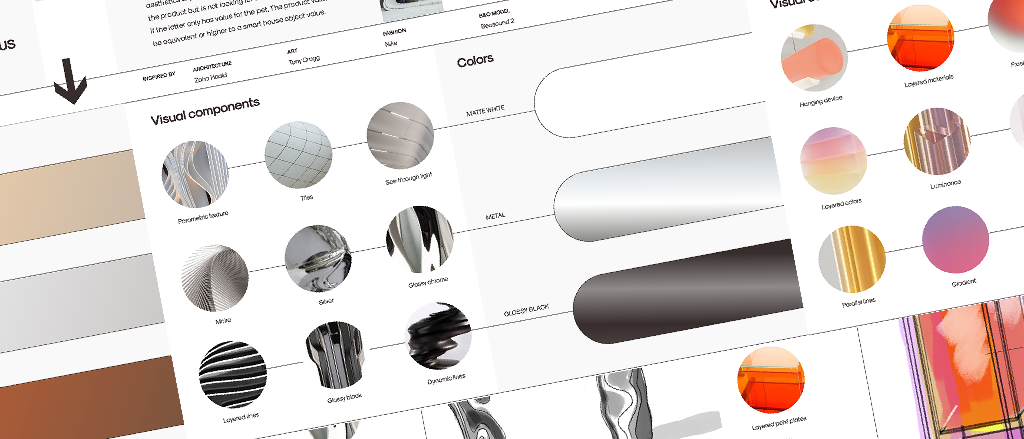
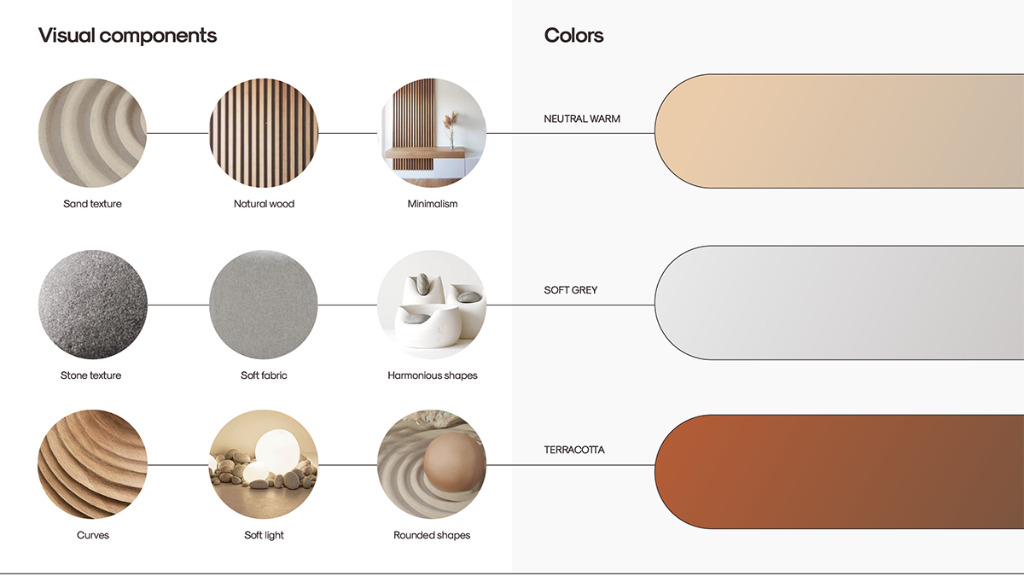
Conducted intensive visual research across the IoT product landscape within three days. Analyzed existing products, their design languages, materials, color palettes, shapes, and overall aesthetic approaches to understand the current market visual terrain.
Product Segmentation
Categorized IoT products into distinct segments based on their design characteristics, price points, and apparent target markets. Identified patterns that revealed which audiences gravitated toward different design approaches—from industrial/utilitarian to consumer-friendly to premium/luxury.
Target Audience Inference
Worked backward from visual analysis to infer target audiences for each segment. Identified which demographics and user types were served by different design approaches, creating audience profiles based on product positioning rather than traditional demographic research.
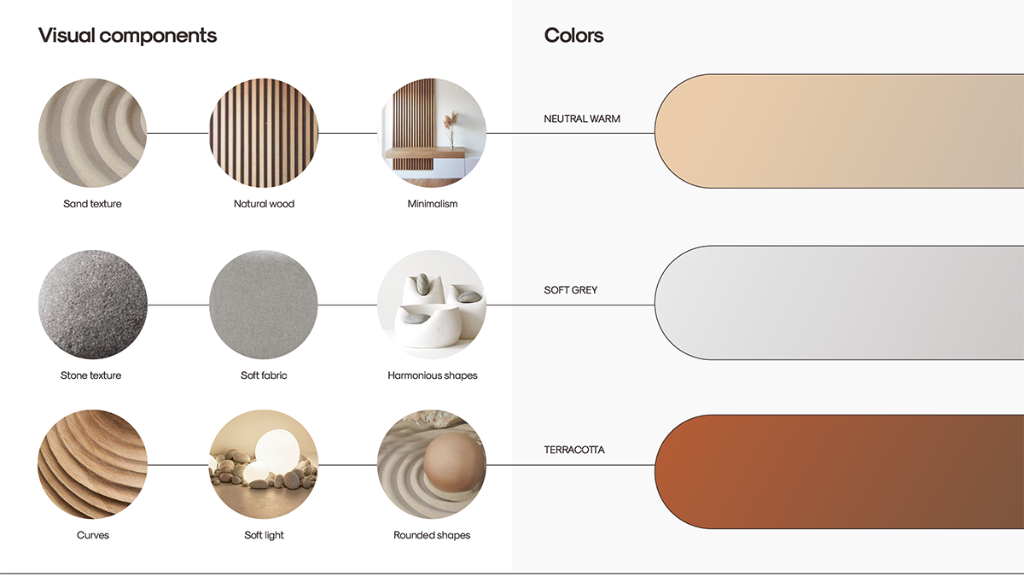
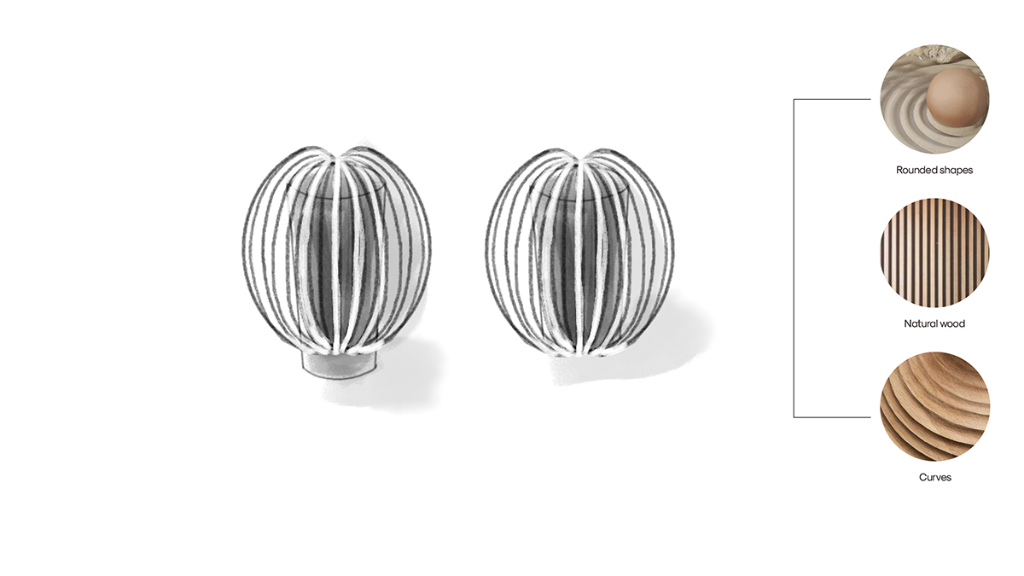
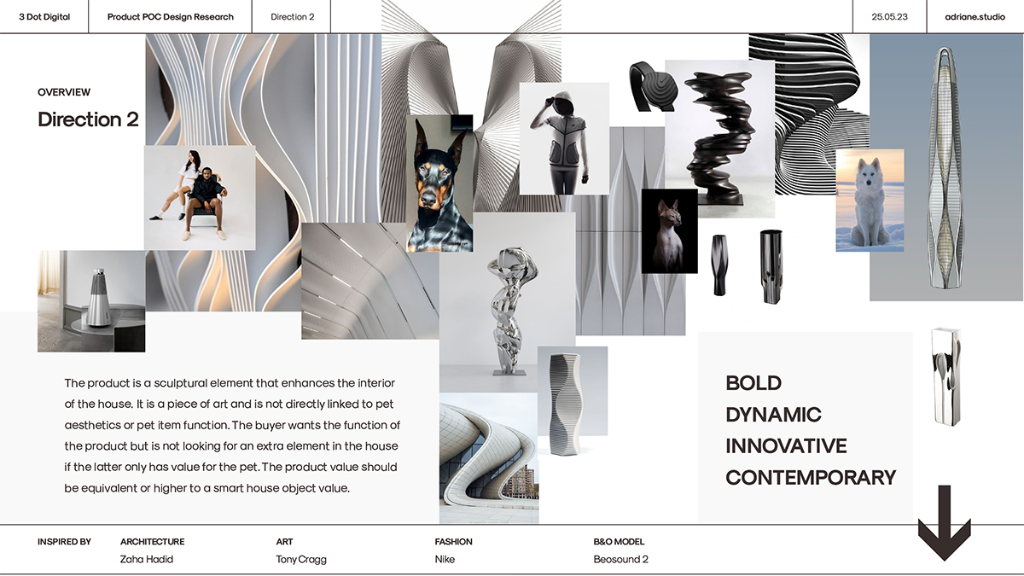
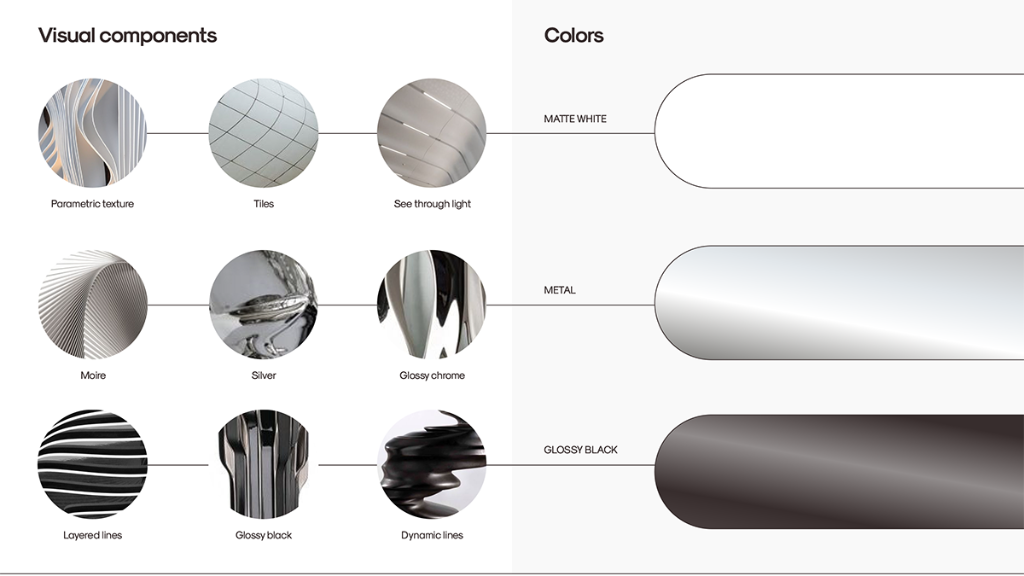
Detailed Mood Boards
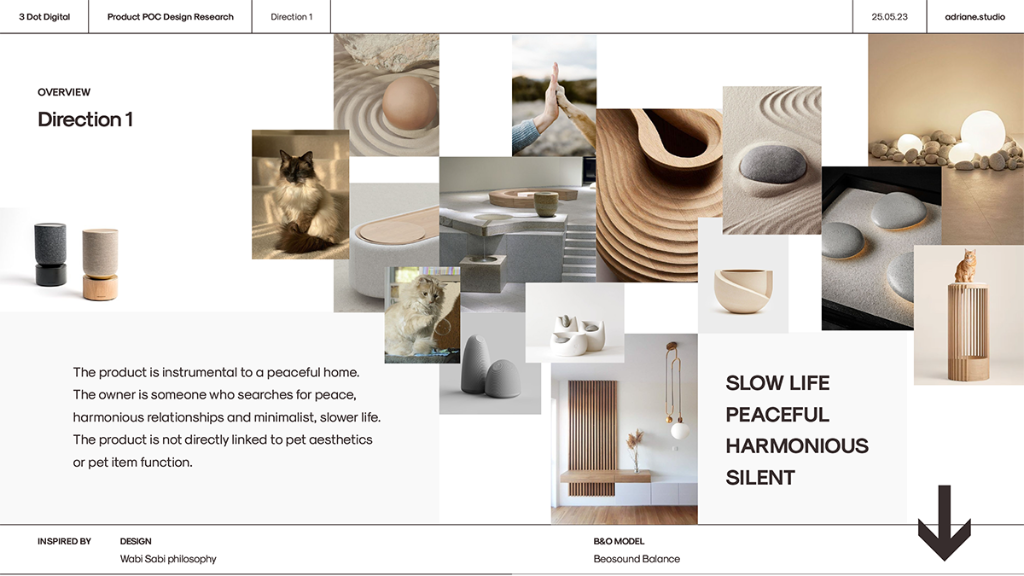
Created comprehensive mood boards for each identified segment, highlighting design trends, audience preferences, color choices, material selections, form factors, and overall moods. These became visual tools for strategic decision-making and stakeholder alignment.
Crowdsourcing Framework
Provided mood boards to the client as tools to facilitate crowdsourced feedback. Rather than making design decisions in isolation, the visual materials enabled rapid stakeholder input, user testing, and iterative refinement of design direction.
Flexible Strategic Framework
Developed an adaptable process that could quickly adjust based on feedback and market changes. Rather than producing a static strategy document, created a living framework that evolved as new insights emerged and market conditions shifted.
04 | Visual Research in Action
Building Strategy Through Visual Intelligence
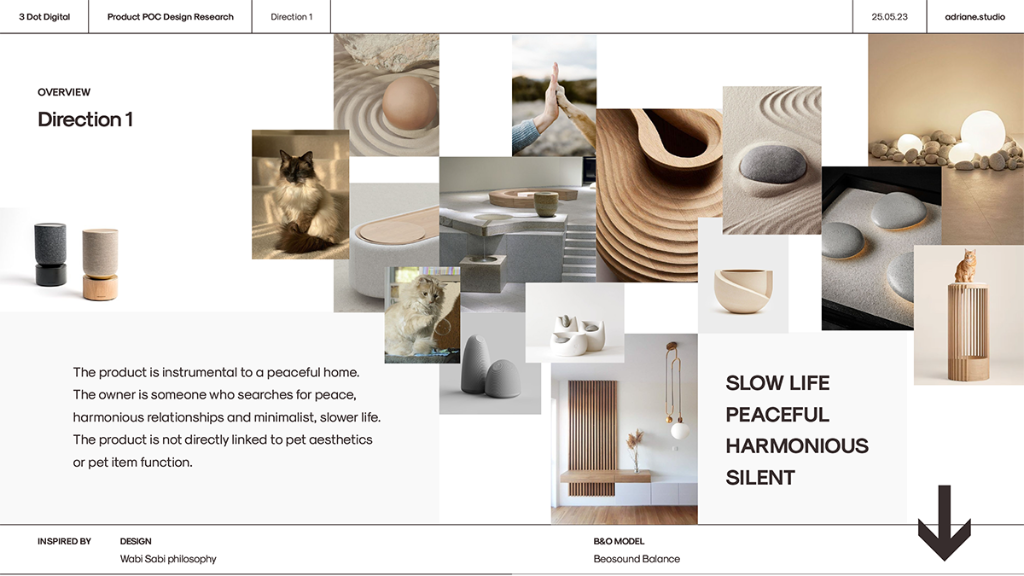
Direction 1: Peaceful & Harmonious
1 / 3
Direction 2: Bold & Dynamic
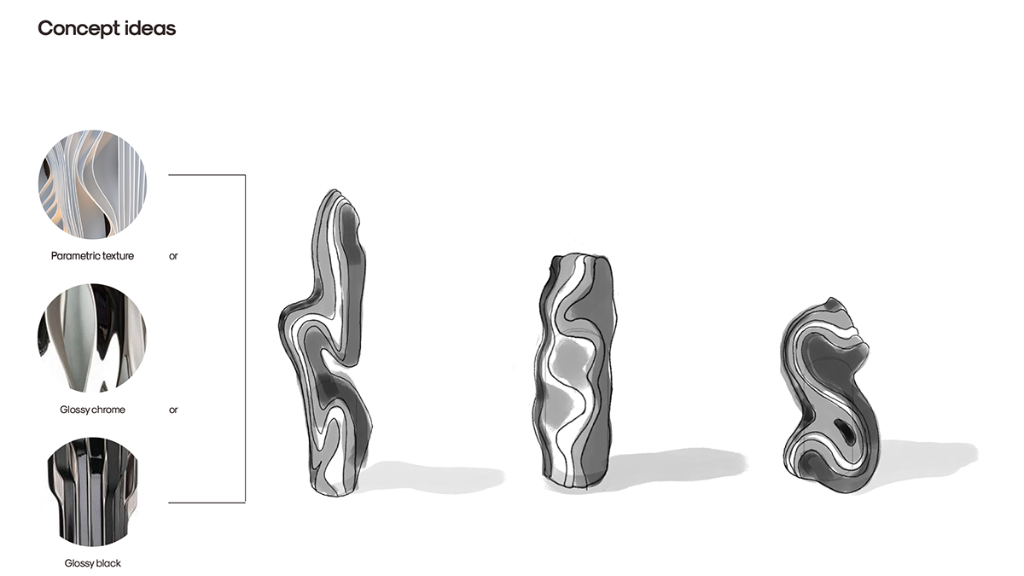
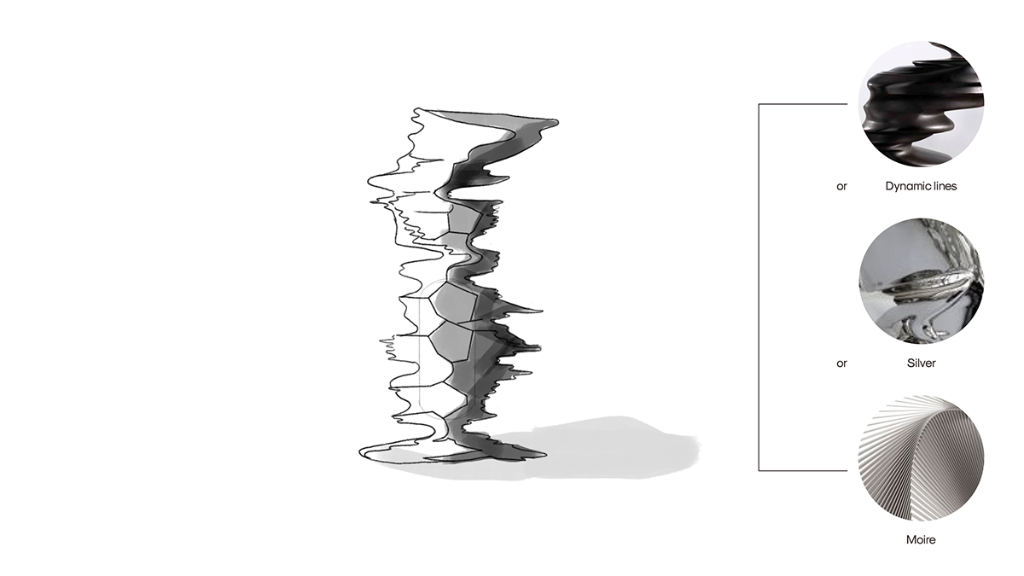
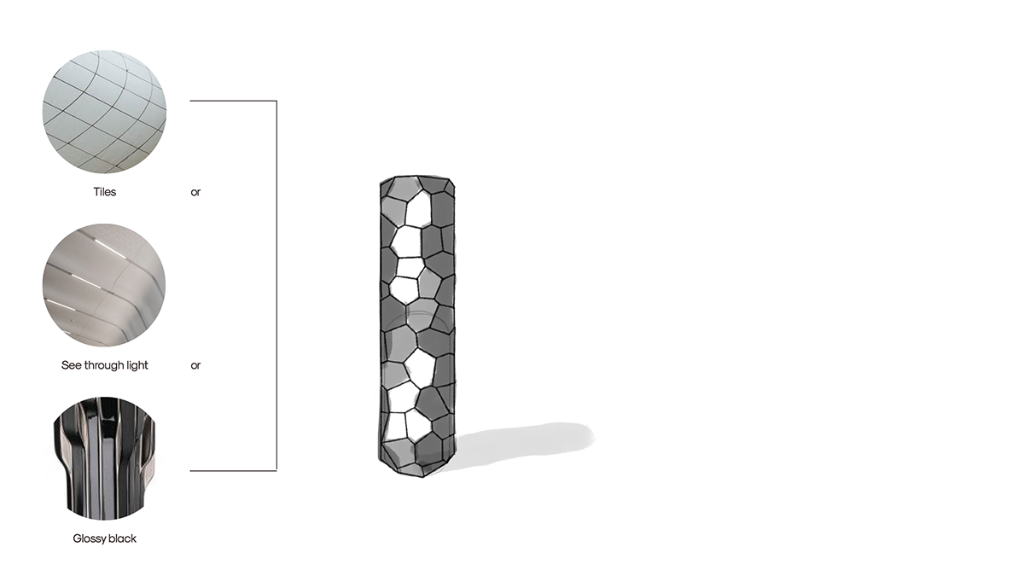
1 / 5
Direction 3: Inspirational & Avant Garde
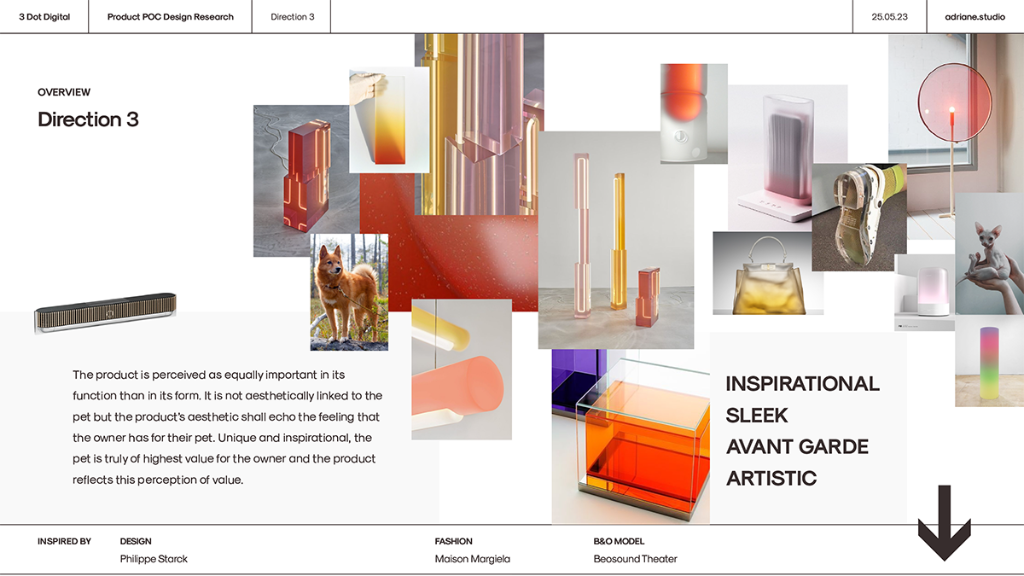
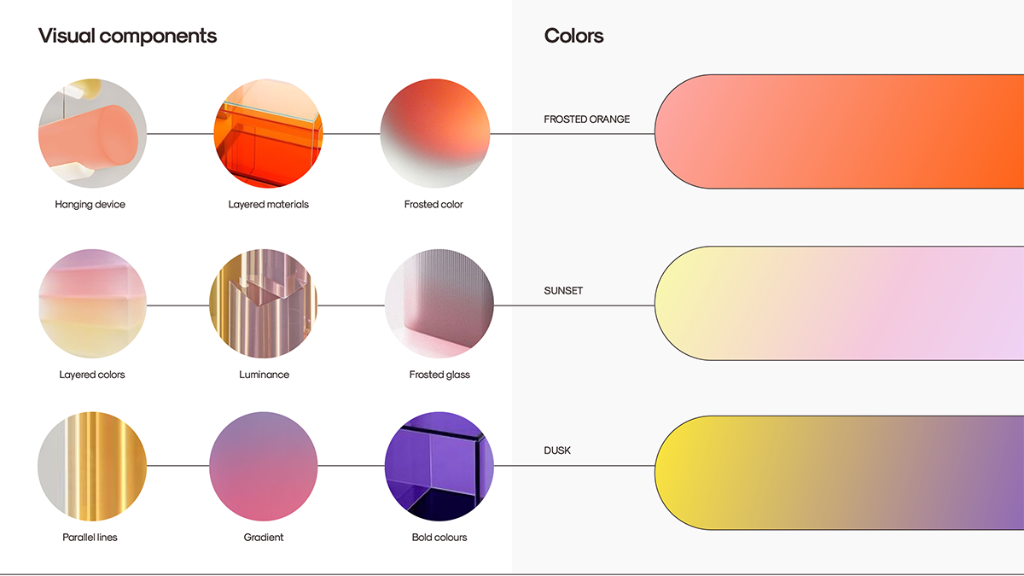
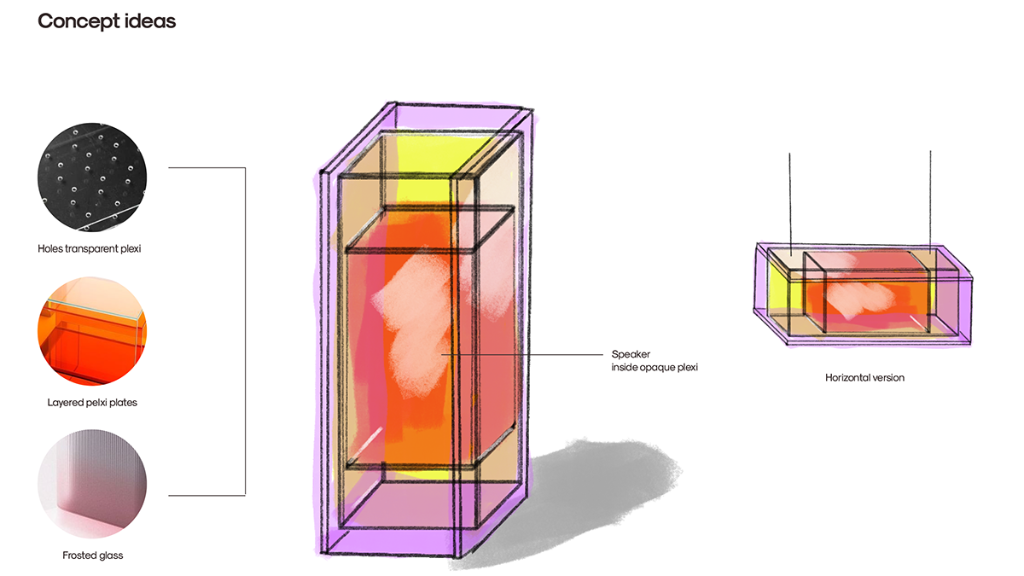
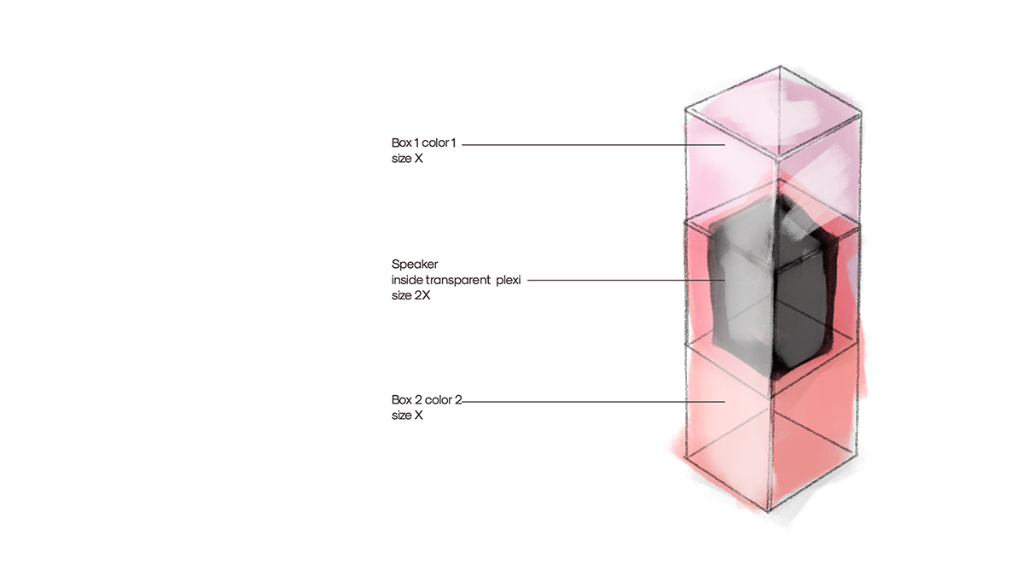
1 / 4
Direction 4: Expressive & Postmodern
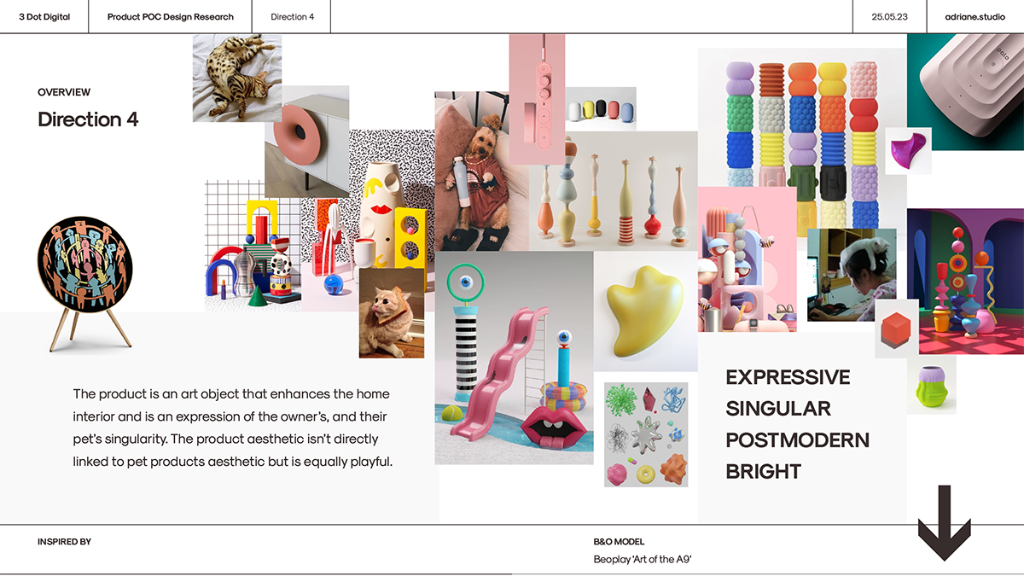
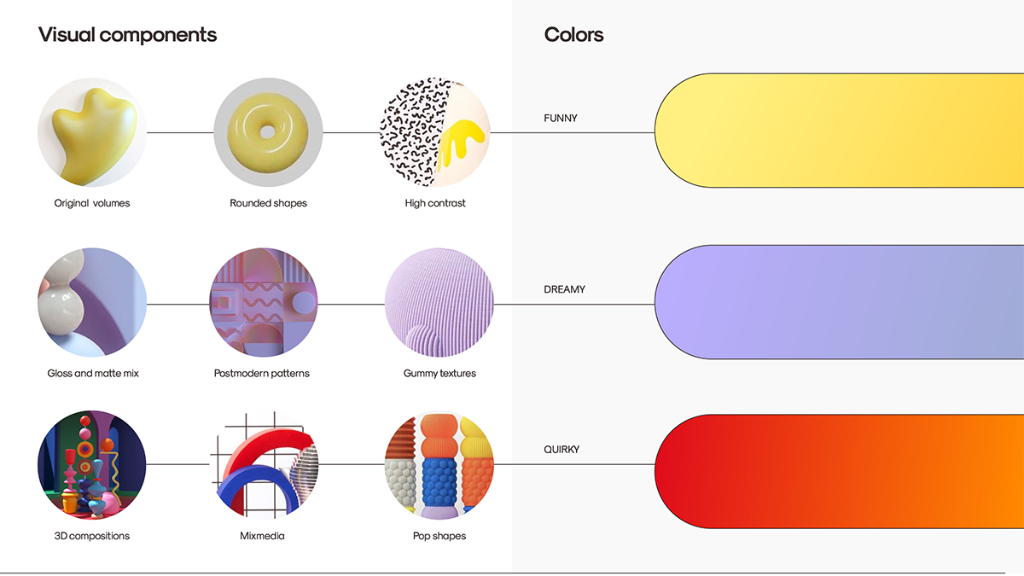
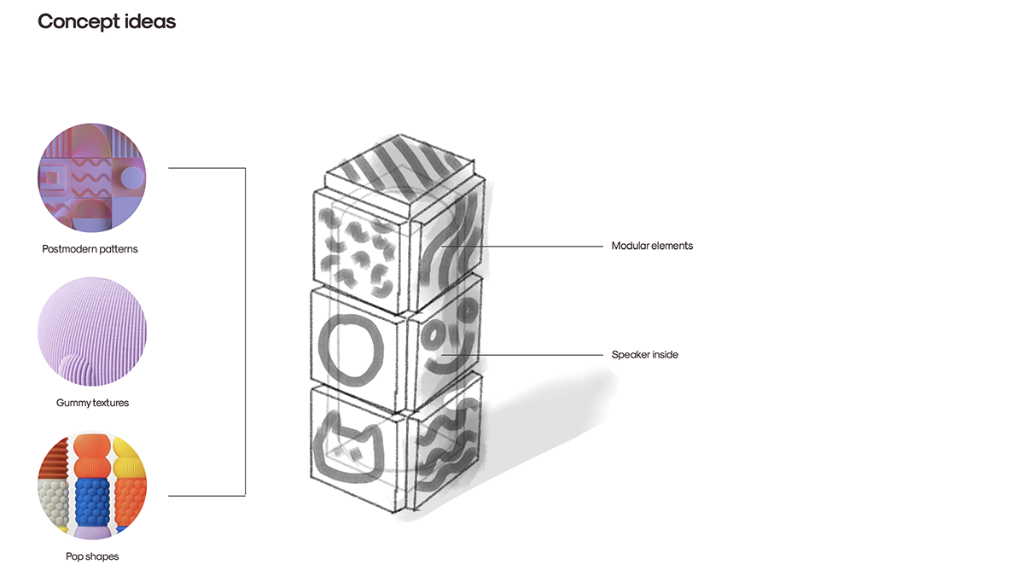
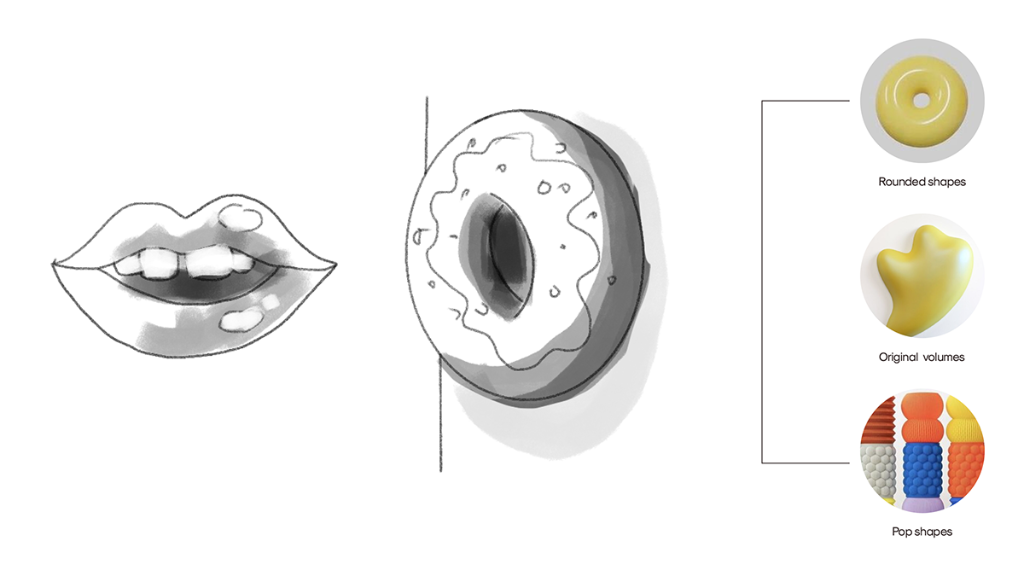
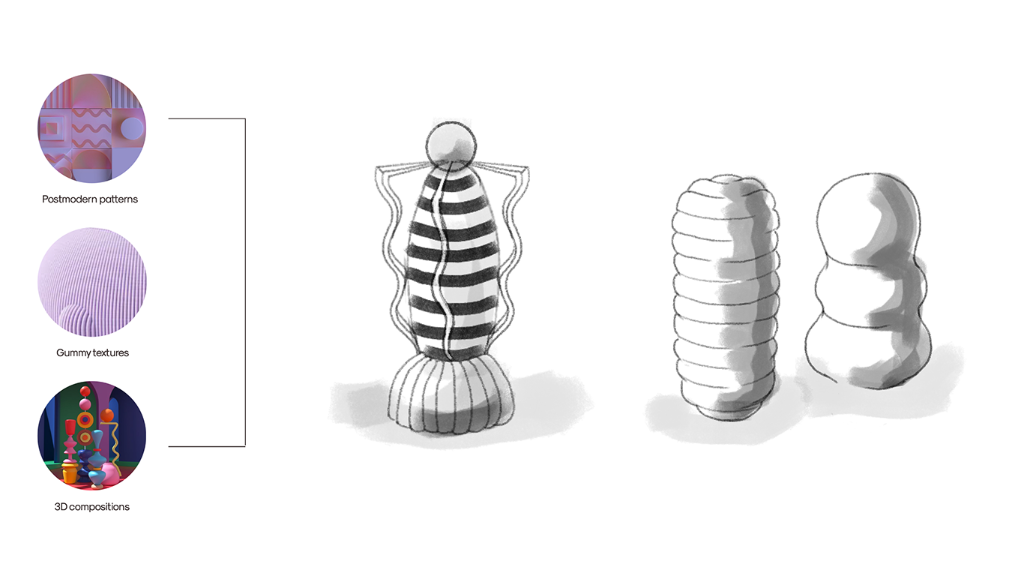
1 / 5
Direction 5: Playful & Pop
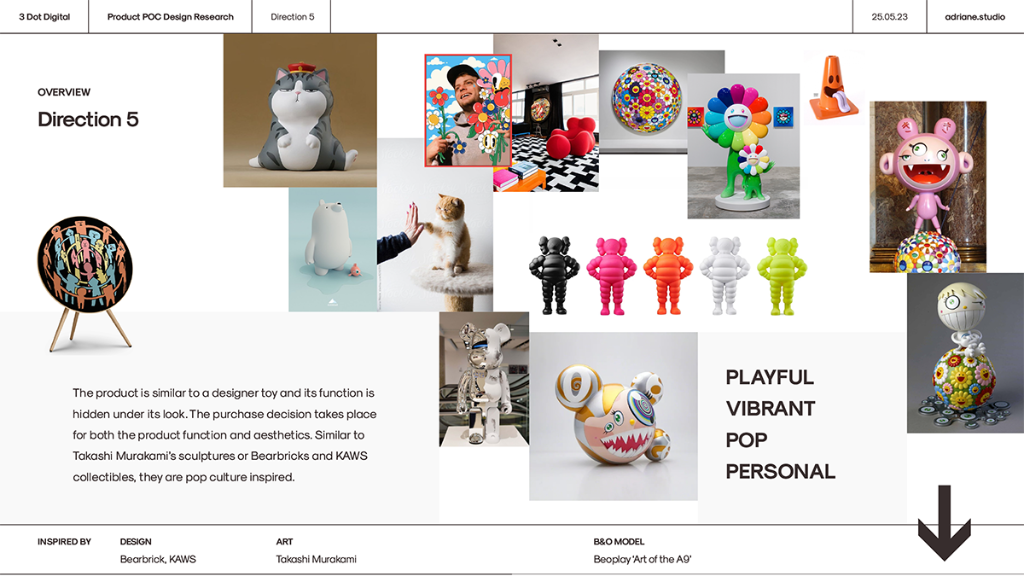
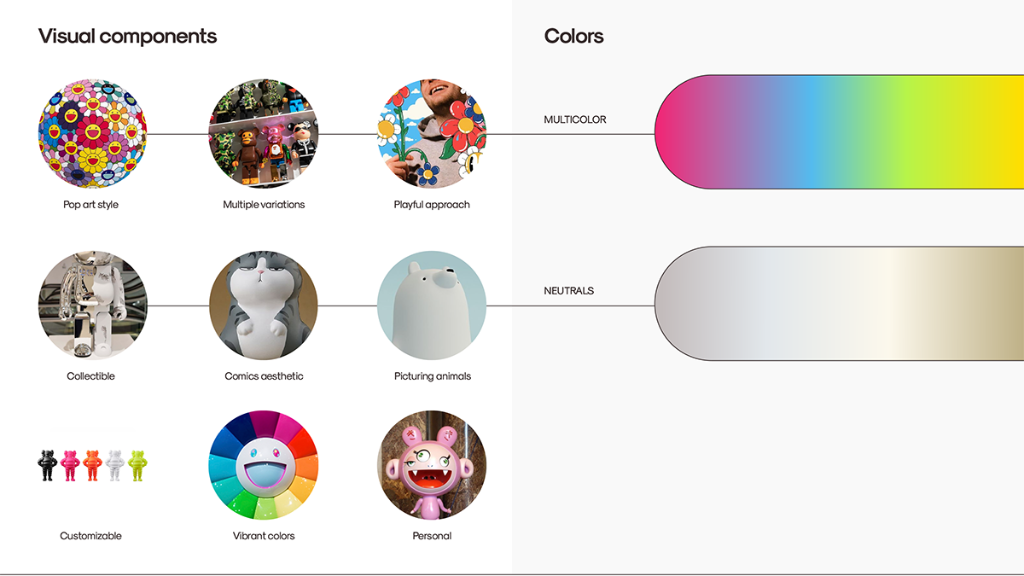
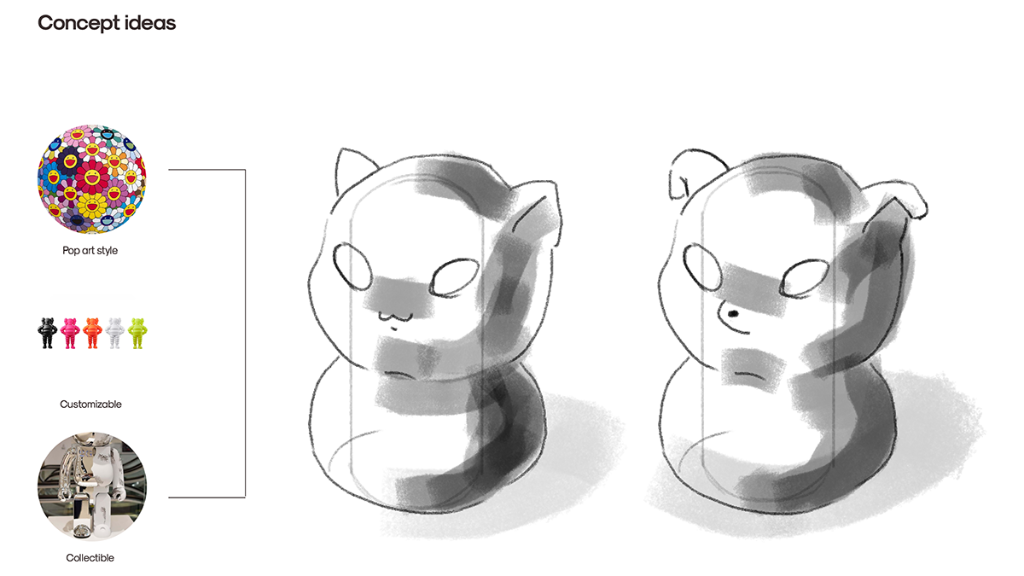
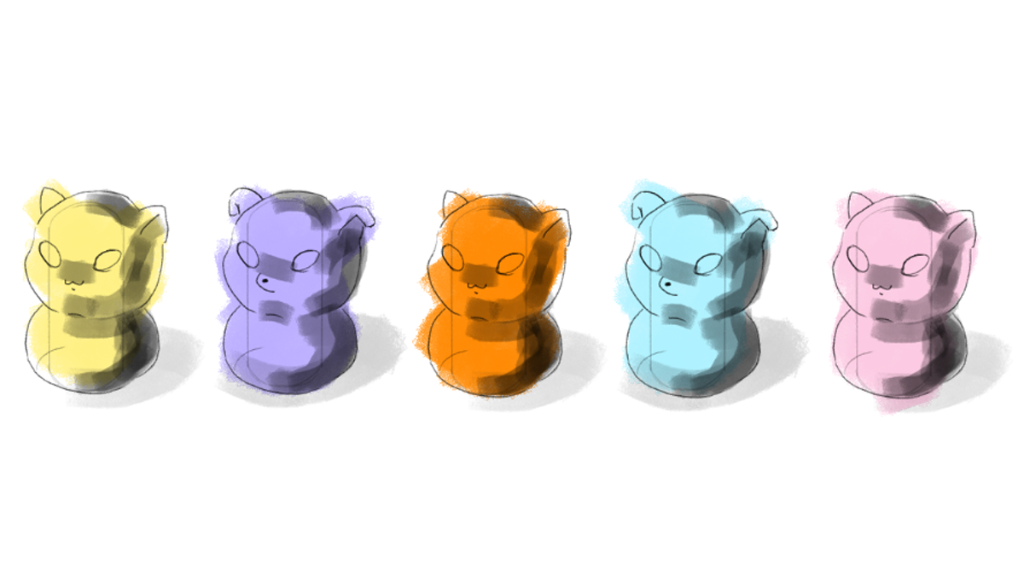
1 / 4
05 | Results & Impact
Speed, Precision, and Adaptability
Significant Time Savings
Delivered comprehensive market insights and design strategy in three days rather than the months traditional market research would have required. Enabled the company to move forward with product development immediately without delays.
Substantial Cost Savings
Avoided expensive traditional market research processes including surveys, focus groups, demographic studies, and lengthy analysis cycles. The visual-first approach delivered comparable insights at a fraction of the typical cost.
Accurate and Precise Insights
Despite the rapid timeline, the visual research methodology provided accurate insights about target audiences, design trends, and market positioning. The approach proved that visual analysis could yield reliable strategic intelligence.
Informed Design Decisions
Enabled the client to make confident decisions about design direction and strategy based on clear visual evidence and market positioning analysis. Removed guesswork and provided concrete frameworks for choice-making.
Crowdsourcing Integration Success
The mood board format proved ideal for facilitating stakeholder feedback and crowdsourced input. Visual materials made abstract design concepts concrete and discussable, streamlining decision-making processes.
Market Adaptability
The flexible framework allowed for rapid adjustments as market conditions evolved and new feedback emerged. Rather than being locked into static research findings, the company could continuously refine their strategy.
Coherent Design Strategy Development
Successfully developed a complete design strategy for the product, providing clear direction for visual identity, materials, colors, forms, and overall aesthetic approach—all aligned with target audience preferences and market opportunities.
"I am delighted to recommend Adriane for her exceptional collaboration, creative thinking, and problem-solving skills. Throughout our time working together, I have witnessed firsthand Adriane's remarkable ability to approach challenges with a fresh perspective and innovative ideas, making her an invaluable asset to any team. Her dedication to our projects has been unwavering. She is not one to shy away from taking on complex assignments and consistently delivers results beyond expectations. What sets Adriane apart is her unyielding commitment to continuous learning and adaptation. She thrives on staying up-to-date with industry trends and best practices, always seeking to expand her knowledge and skill set."
— Client Lead, 3DD
06 | Core Capabilities Demonstrated
Strategic Innovation Under Constraints
Innovative Research Methodologies
The ability to develop alternative research approaches when traditional methods aren't viable. Creating visual-first methodologies that deliver comparable insights at significantly reduced time and cost while maintaining accuracy and strategic value.
Visual Intelligence and Analysis
Deep expertise in reading visual languages, understanding how design choices communicate to audiences, and extracting strategic insights from aesthetic patterns. The capacity to see market intelligence in the visual terrain of existing products.
Rapid Strategy Development
Working at startup velocity to deliver comprehensive strategic frameworks in compressed timelines. Maintaining strategic rigor and depth while moving quickly enough to meet immediate business needs and development schedules.
Audience Insight Without Traditional Data
Inferring target audience preferences, demographics, and behaviors through visual analysis and market positioning observation rather than relying solely on traditional demographic research and surveys.
Creative Problem-Solving
Approaching challenges with fresh perspectives and innovative solutions. Not accepting "we can't do this without market research" as a limitation, but instead asking "how can we get the insights we need through alternative methods?"
Collaborative Decision-Making Facilitation
Creating visual tools—mood boards, frameworks, segmentation maps—that enable teams to discuss, debate, and decide on strategic direction. Making abstract concepts concrete and discussable.
07 | Key Learnings
Insights on Visual-First Strategy
Visual Research Effectiveness
Utilizing visual analysis as a primary research method can efficiently gather market insights, saving significant time and resources compared to traditional methods while maintaining accuracy and strategic value. Visual patterns reveal audience preferences as reliably as demographic surveys—often more quickly.
Crowdsourcing Streamlines Decisions
Integrating visual tools with crowdsourcing feedback mechanisms dramatically streamlines the decision-making process. When stakeholders can see and respond to concrete visual options rather than abstract concepts, alignment happens faster and with more confidence.
Adaptability as Core Requirement
In rapidly evolving technology markets, static research becomes outdated quickly. A flexible, adaptable design process that allows for rapid adjustments based on market changes ensures that product design remains relevant and competitive throughout development cycles.
Cost-Time-Quality Triangle
The visual-first approach demonstrated that you don't have to sacrifice quality for speed and cost efficiency. With the right methodology, it's possible to deliver accurate, precise insights rapidly and affordably—challenging conventional assumptions about research trade-offs.
Target Audience Through Design Lens
Understanding target audience preferences and market trends through visual research is not just valid—it's often more relevant for design strategy than traditional demographic data. How products look tells you who they're for, sometimes more clearly than age and income brackets.
Need Design Strategy Without Traditional Market Research?
If your company is developing innovative products with tight timelines and limited research budgets like 3DD, or if you need strategic design direction for prototypes without defined target audiences, let's talk about visual-first methodologies.
Start a Conversation