Empowering Women's Health Through Evidence-Based Design
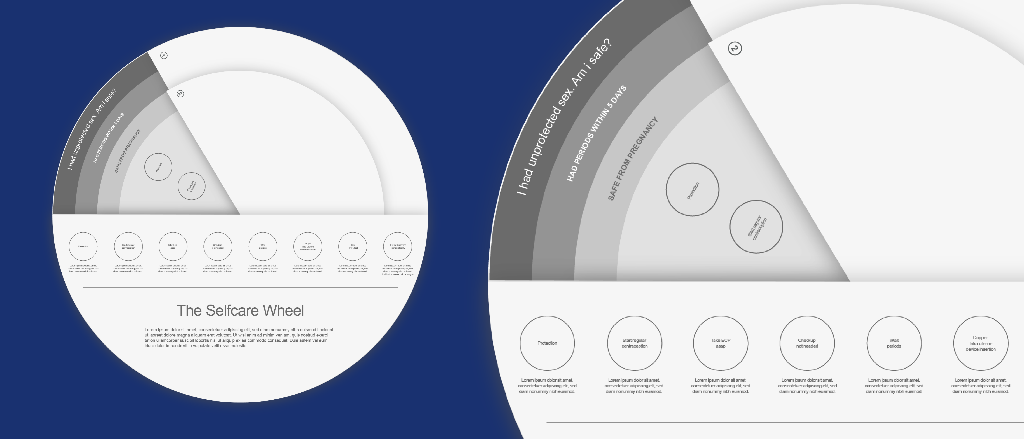
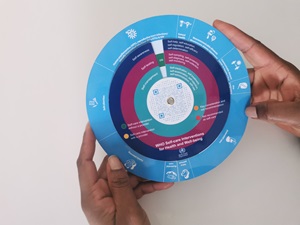
Leading remote design thinking facilitation for a global health innovation team during an intensive sprint, prototyping an award-winning combined paper and digital tool that improves sexual and reproductive health and rights for women in rural areas of the Global South.
Global
Health Organization Partner
0
Countries Tested
Award
Excellence in Innovation 2024
0
User Groups Engaged
01 | Client & Context
When Global Health Policy Meets Local Reality
A leading global health organization needed an evidence-based tool to improve sexual and reproductive health and rights (SRHR) for women in rural areas of the Global South—a context marked by limited healthcare access, cultural sensitivities, and infrastructural challenges that conventional digital health solutions couldn't address.
The client:
A leading global health organization with international headquarters and offices worldwide. For their internal innovation challenge, a team was developing a concept for improving access to sexual and reproductive health services in underserved areas.
The context:
Women in rural areas of the Global South face significant barriers to sexual and reproductive health: lack of access to SRHR services, stigma around seeking care, limited awareness of available services, poor connectivity making digital solutions impractical, and low literacy rates requiring visual and intuitive communication approaches. The team was developing a tool to address these barriers through evidence-based self-care guidance.
The challenge:
Transform a concept inspired by existing medical tools into a hybrid paper and digital solution that would empower women to make informed decisions about their health, navigate cultural sensitivities around sexuality, function effectively with limited or no internet access, serve users with varying literacy levels, and be safe to possess without increasing social risk—all within a compressed innovation sprint timeline, working remotely.
Why adriane.studio:
The team needed someone who could facilitate design thinking methodology during an intensive remote sprint workshop, lead rapid prototyping and iteration processes, bring empathy-driven design expertise to ensure the tool centered user needs, insist on paper-based solutions over more technologically fashionable digital ones when context demanded it, and apply rigorous human-centered design to sensitive health equity challenges.
02 | The Challenge
Designing for Complex Constraints and Cultural Realities
Access and Infrastructure
Rural areas lacked consistent access to SRHR services and had limited internet connectivity. Any digital-first solution would exclude the very women who needed support most. The tool had to function entirely offline while remaining evidence-based and aligned with international health standards.
Cultural Sensitivity and Safety
Possessing materials related to sexual and reproductive health carried social risk and stigma. The tool needed to be culturally appropriate, discreet enough to reduce risk, yet clear enough to provide actionable health information. Balancing these competing needs required deep contextual understanding.
Literacy and Comprehension
Low literacy rates meant the tool couldn't rely on text-heavy instructions or complex language. It needed to communicate visually and intuitively, making evidence-based health guidance accessible to women with varying educational backgrounds.
Distributed Team Coordination
The design process involved coordinating diverse stakeholders across different countries: target users in rural areas, community health workers, program managers, pharmacists, caregivers, and global health technical experts. Creating effective remote collaboration while maintaining user-centered focus presented significant coordination challenges.
03 | The Approach
Empathy-Driven Design Thinking Facilitation
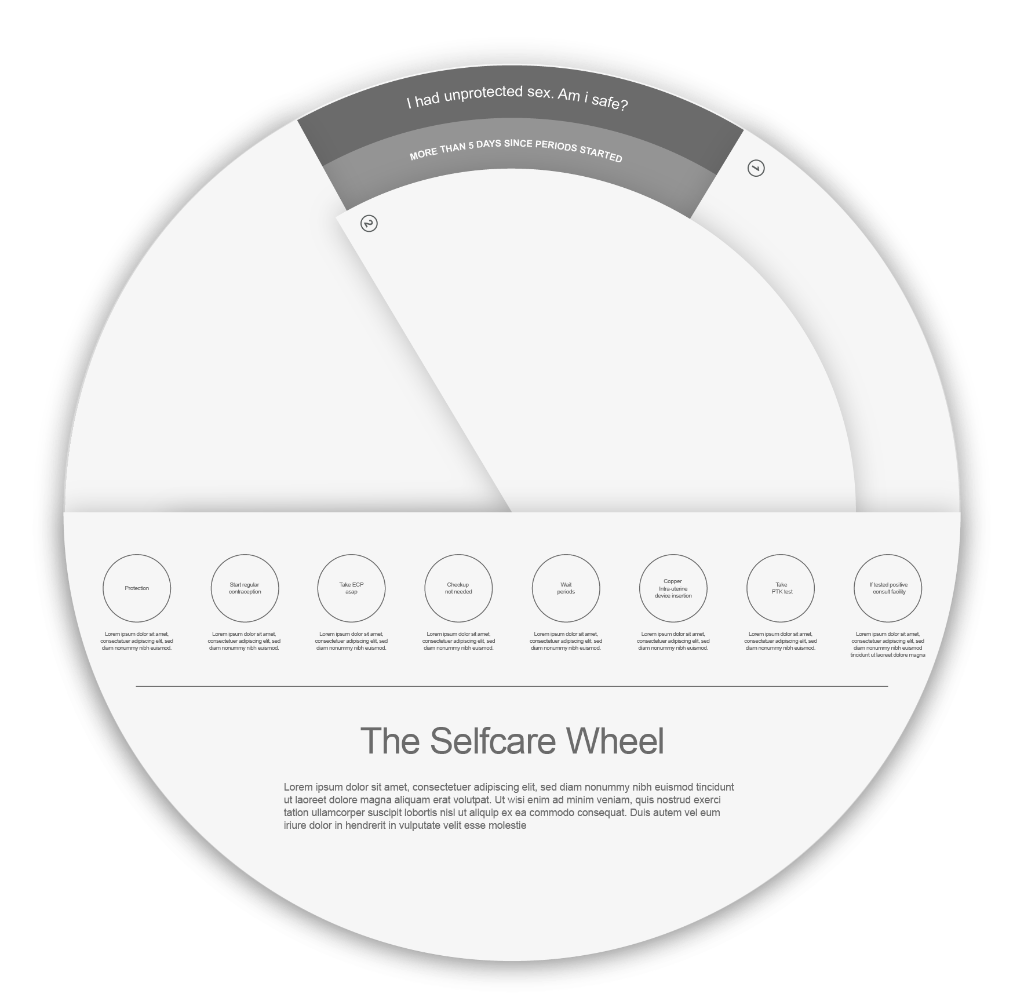
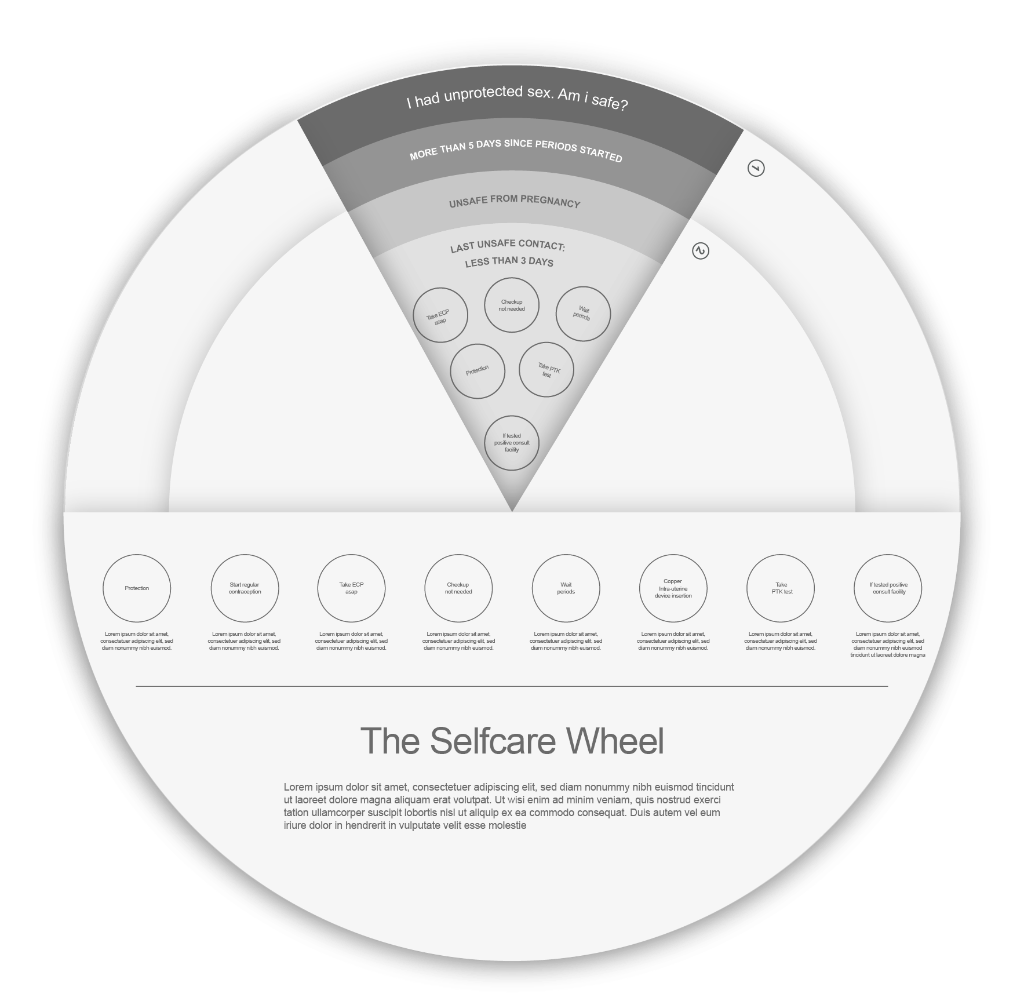
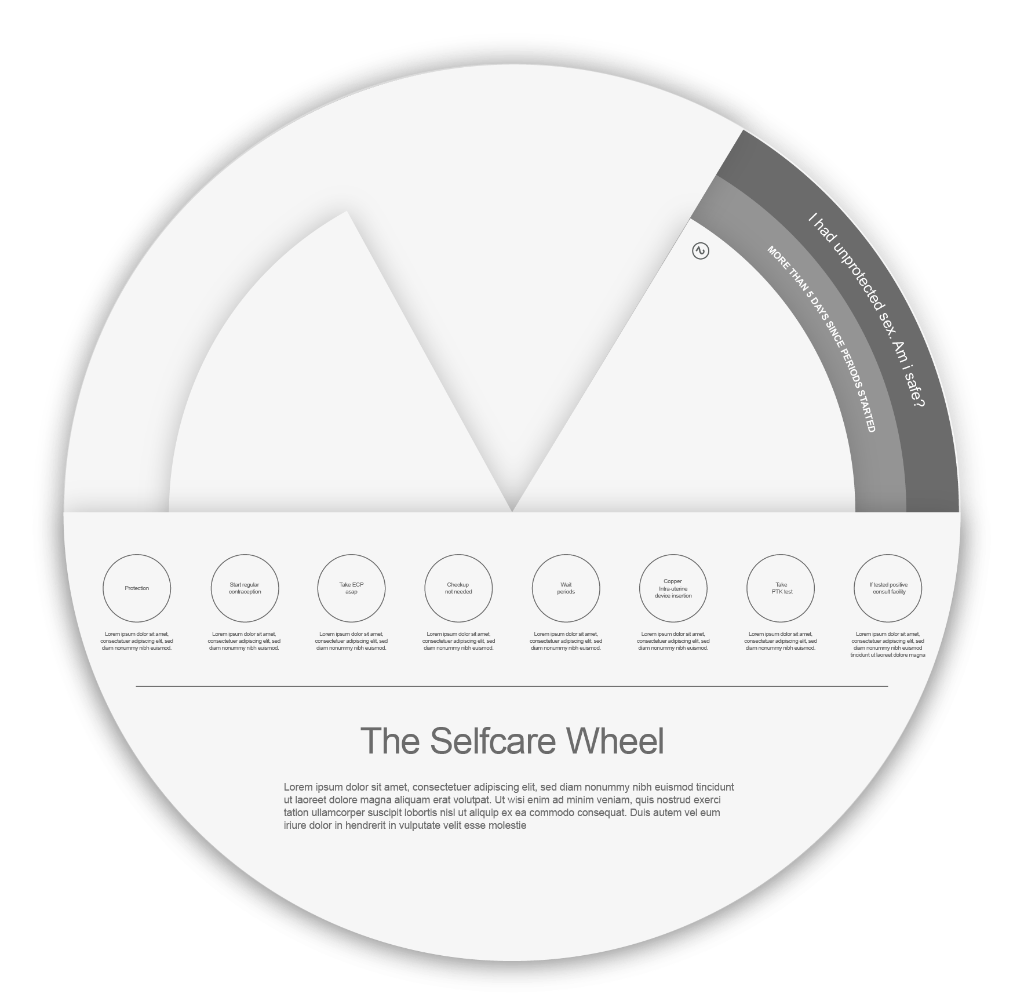
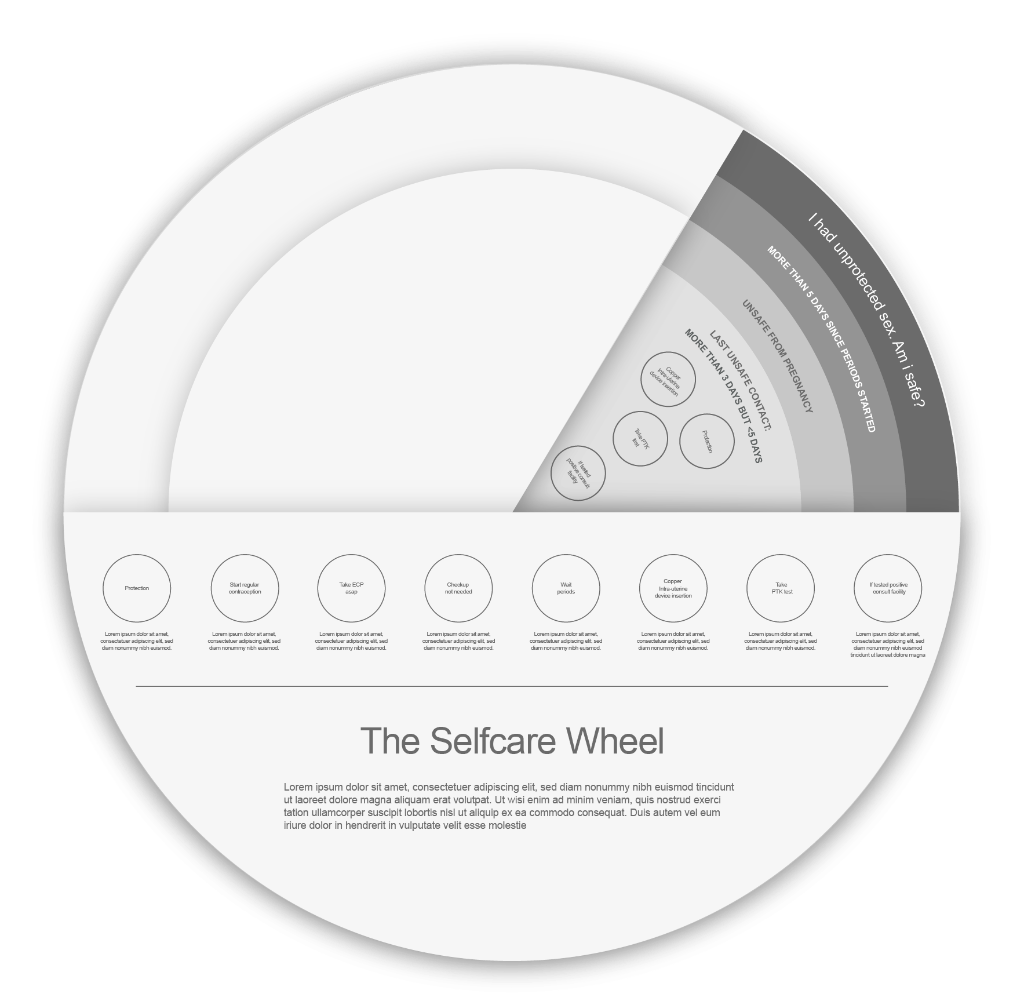
Facilitating the team through an intensive innovation sprint, I led design thinking processes that prioritized contextual understanding and cultural sensitivity, guiding rapid prototyping of a paper-based format that would actually serve users in their lived realities.
User Research Facilitation
Facilitated the team through user research and empathy-building exercises, guiding interviews and synthesis processes. Centered the sprint on empathy and contextual understanding rather than technological assumptions or organizational preferences, ensuring user needs drove all design decisions.
Journey Mapping Workshop
Led the team through journey mapping exercises to understand how women in rural areas navigate SRHR decisions, identify barriers to accessing services, and experience stigma. This revealed where intervention could be most impactful and what format would best serve their needs.
Context-Driven Format Advocacy
Guided the team toward prioritizing paper-based tool over digital solutions despite prevailing trends toward digital health interventions. Applied expertise recognizing that context-related knowledge about limited internet access and societal stigma made paper the only viable option for the target users.
Rapid Prototyping Leadership
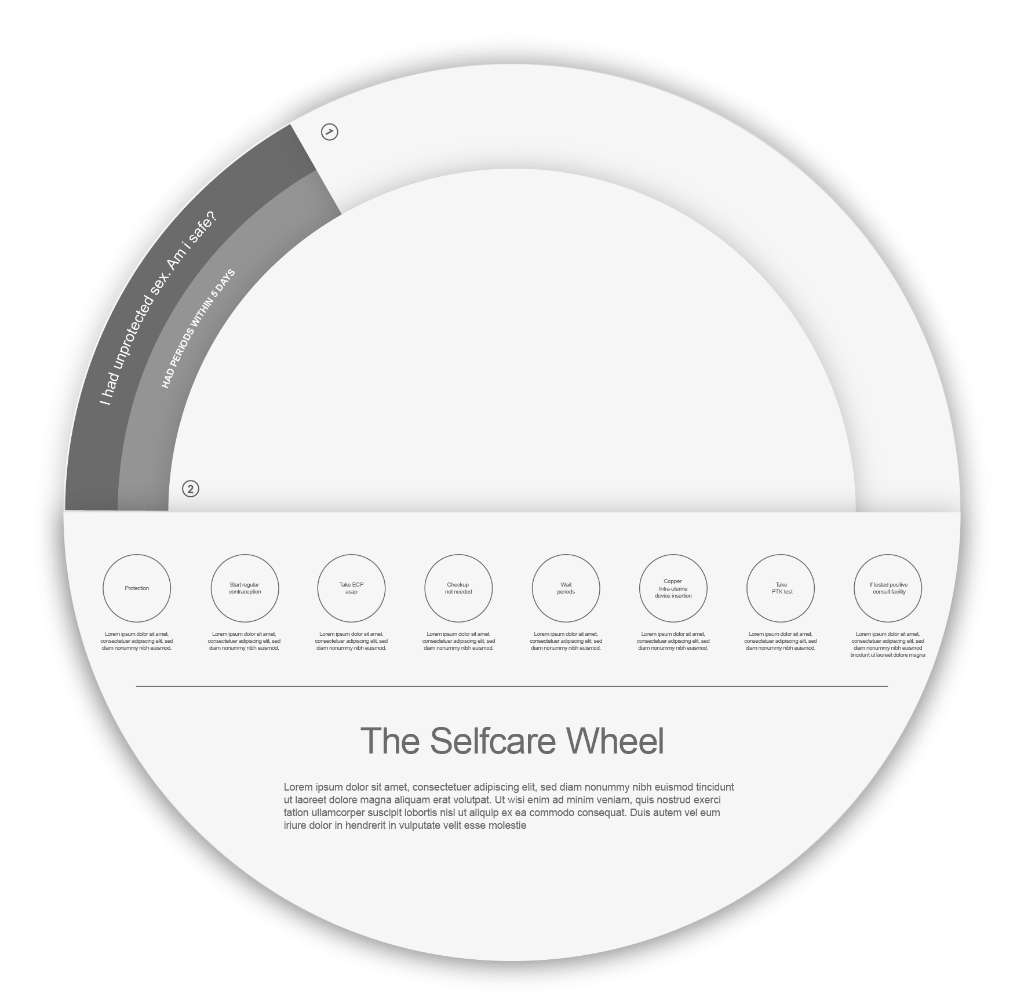
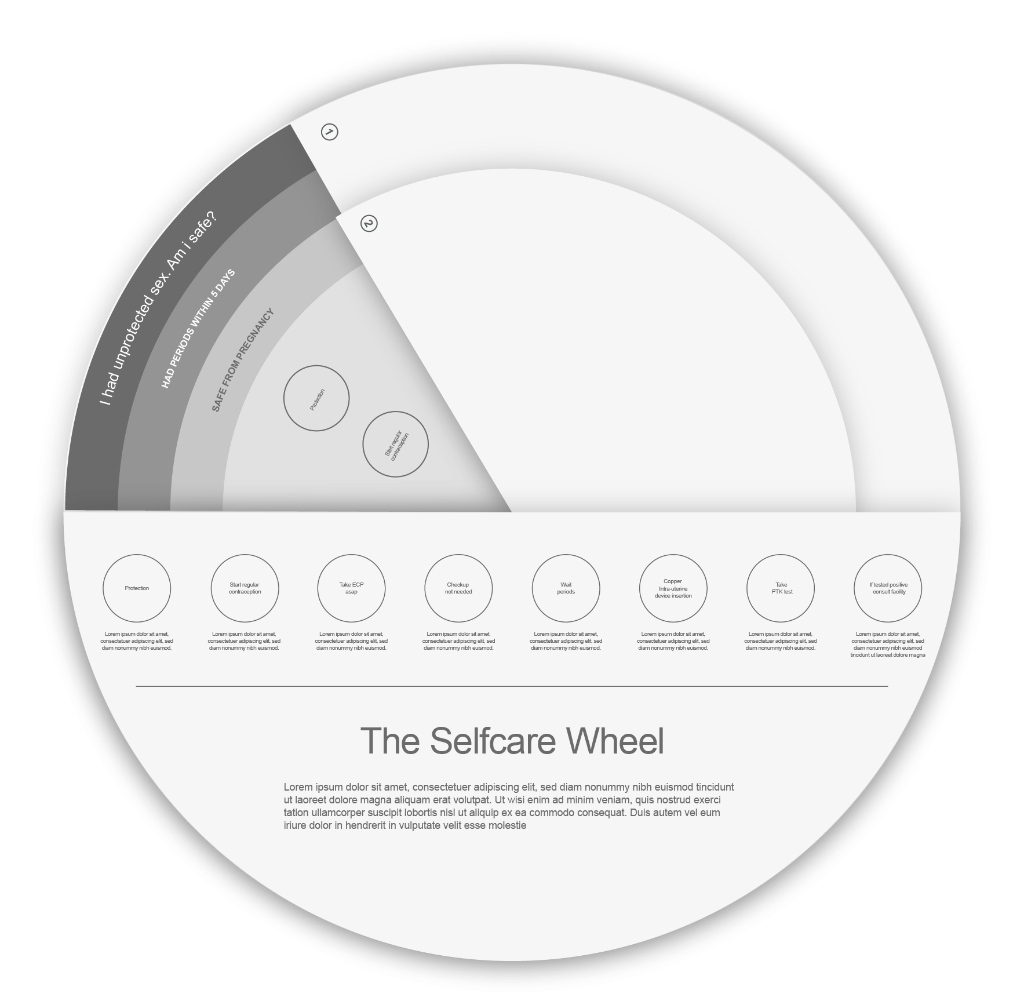
Led rapid prototyping sessions developing wireframes and concept iterations exploring different visual approaches. Created both paper and digital prototypes to test hybrid possibilities while maintaining the core paper-based accessibility. Focused on user-friendly interfaces that improved engagement and usability.
User Testing Coordination
Coordinated user testing approach with diverse groups including adolescent girls, women of reproductive age, caregivers, and health workers. Facilitated rapid iteration based on feedback, refining the tool's visual language, information architecture, and practical usability in real-world conditions.
Design Thinking Methodology Transfer
Throughout the sprint, applied and transferred design thinking practices to the team—demonstrating journey mapping, wireframing, concept development, prototyping, and user testing methodologies. Built team capacity for human-centered design approaches they could apply to future projects.
04 | Design in Action
Facilitating Team Innovation Through Design Thinking

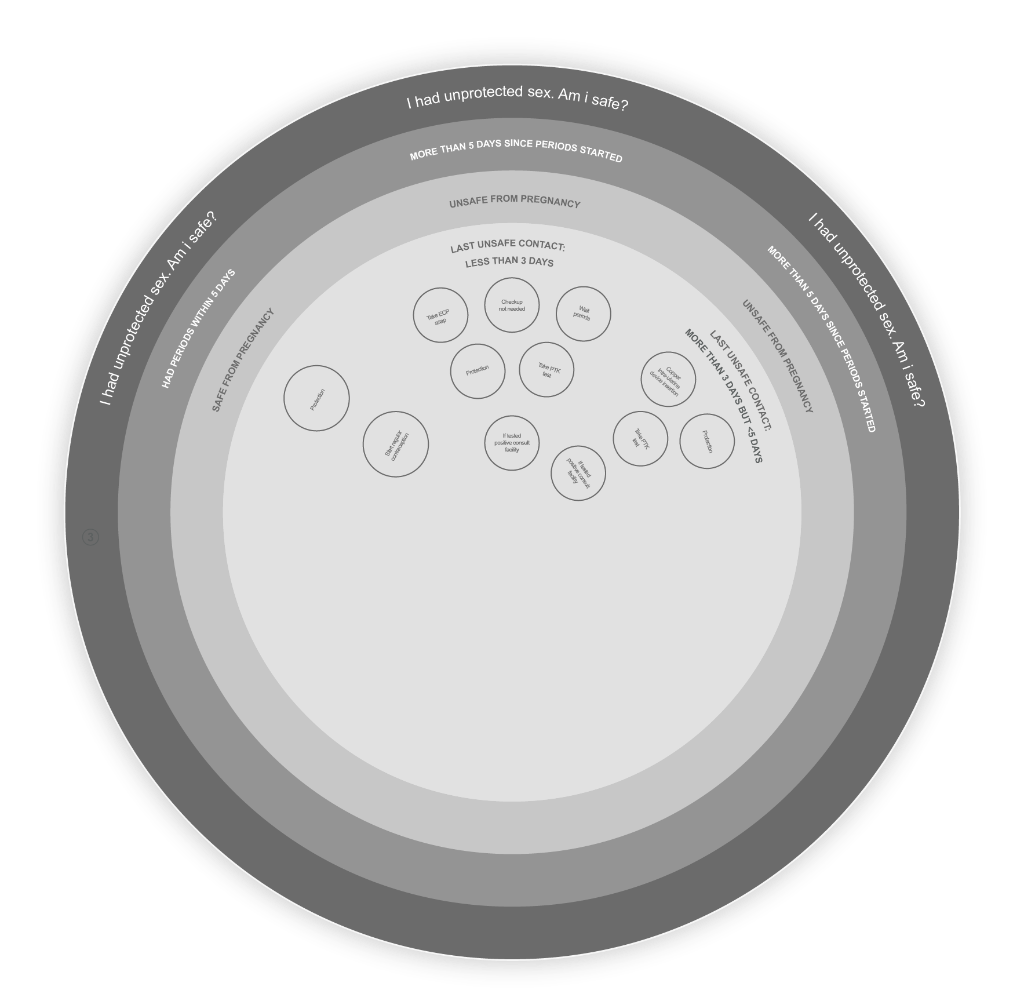
1 / 9
05 | Results & Impact
From Design to Global Recognition
Innovation Award Recognition
The health tool received an internal Excellence Award for Innovation in April 2024, recognizing its effectiveness in advancing sexual and reproductive health and rights through evidence-based, culturally sensitive design.
Major Health Forum Showcase
The tool was showcased at a major international health innovation forum in South Asia in late 2023, demonstrating its approach to global health leaders and practitioners.
Multi-Country Validation
Initial testing was successfully conducted in Bangladesh, India, Morocco, and Nigeria, validating the tool's applicability across diverse cultural contexts in both urban and rural settings.
Diverse User Groups Engaged
Testing involved six distinct user groups—adolescent girls, women of reproductive age, caregivers, community health workers, program managers, and pharmacists—each validating the tool's relevance to their specific needs and contexts.
Evidence-Based Self-Care Identification
Participants successfully used the visual tool to identify appropriate self-care responses based on evidence-based health recommendations, demonstrating that the tool effectively translates complex health guidance into actionable decisions for users.
Paper-Based Accessibility Validated
The decision to prioritize paper over digital solutions proved correct, with the tool functioning effectively in environments with limited internet access and providing a culturally appropriate, low-risk format for sensitive health information.
06 | Core Capabilities Demonstrated
Design Thinking Facilitation for Health Equity
Design Thinking Sprint Facilitation
Leading innovation teams through intensive design sprints with clear methodological structure. Facilitating user research, journey mapping, prototyping, and testing processes that move teams from concept to validated prototype rapidly while maintaining rigor and user-centeredness.
Empathy-Driven Design Leadership
Guiding teams to center design processes on deep empathy and contextual understanding of target users, prioritizing their lived realities over technological trends or organizational preferences. Drawing insight from direct interaction with communities to inform every design decision.
Cultural Sensitivity in Health Design
Understanding how to navigate sensitive topics—sexuality, reproductive health, stigma—within diverse cultural contexts. Facilitating teams to design solutions that reduce risk for users while still providing essential health information and empowerment.
Context-Appropriate Technology Advocacy
The judgment to guide teams toward paper-based solutions when context demands it, even when digital solutions are more fashionable or organizationally preferred. Recognizing that the best technology is the one that actually serves users in their real environments.
Rapid Prototyping Expertise
Leading teams through rapid prototyping strategies that enable swift incorporation of user feedback, ensuring tools evolve iteratively to address users' actual needs rather than assumptions about those needs. Building functional prototypes that can be tested with real users quickly.
Visual Communication for Low-Literacy Contexts
Guiding creation of visual languages and information architectures that communicate complex health concepts intuitively, making evidence-based guidance accessible regardless of literacy levels or educational background.
Methodology Transfer
Not just doing design thinking but teaching it—transferring practices to teams so they can apply human-centered approaches to future projects. Building organizational capacity for empathy-driven design beyond the immediate sprint.
07 | Key Learnings
Insights from Designing for Health Equity
Stakeholder Involvement from Day One
Engaging a diverse range of stakeholders from the outset of the design process proved instrumental in ensuring that the tool met the varied needs and perspectives of its intended users. Early involvement prevented assumptions and created ownership across communities.
Context Over Convention
Recognizing the significance of context-related knowledge, particularly concerning cultural and social realities faced by the target audience, was essential for accurately designing and implementing the tool in a manner that resonated with users and could be safely used in their environments.
Rapid Iteration Enables Precision
Embracing rapid prototyping and iteration allowed the team to swiftly incorporate user feedback into the design process, ensuring that the tool evolved to better address needs and preferences rather than remaining static based on initial assumptions.
Technology Serves Users, Not Vice Versa
The most innovative solution isn't always the most technologically advanced. Sometimes paper serves users better than apps, and the courage to choose appropriate technology over fashionable technology is what creates real impact.
Remote Collaboration Can Be Inclusive
Effective use of remote collaboration tools facilitated seamless communication and collaboration among team members spread across different geographical locations, enabling a more inclusive and globally integrated design process without sacrificing local relevance.
Innovation Recognition Follows User Impact
The tool's recognition with the Excellence Award for Innovation came not from technological novelty but from genuine user impact—demonstrating that awards and recognition follow from truly serving users' needs in their contexts.
Need Human-Centered Design for Global Health or Social Impact?
If your organization is developing health interventions for underserved communities, navigating cultural sensitivities in sensitive topics, or creating tools that must work in resource-constrained environments, let's talk.
Start a Conversation